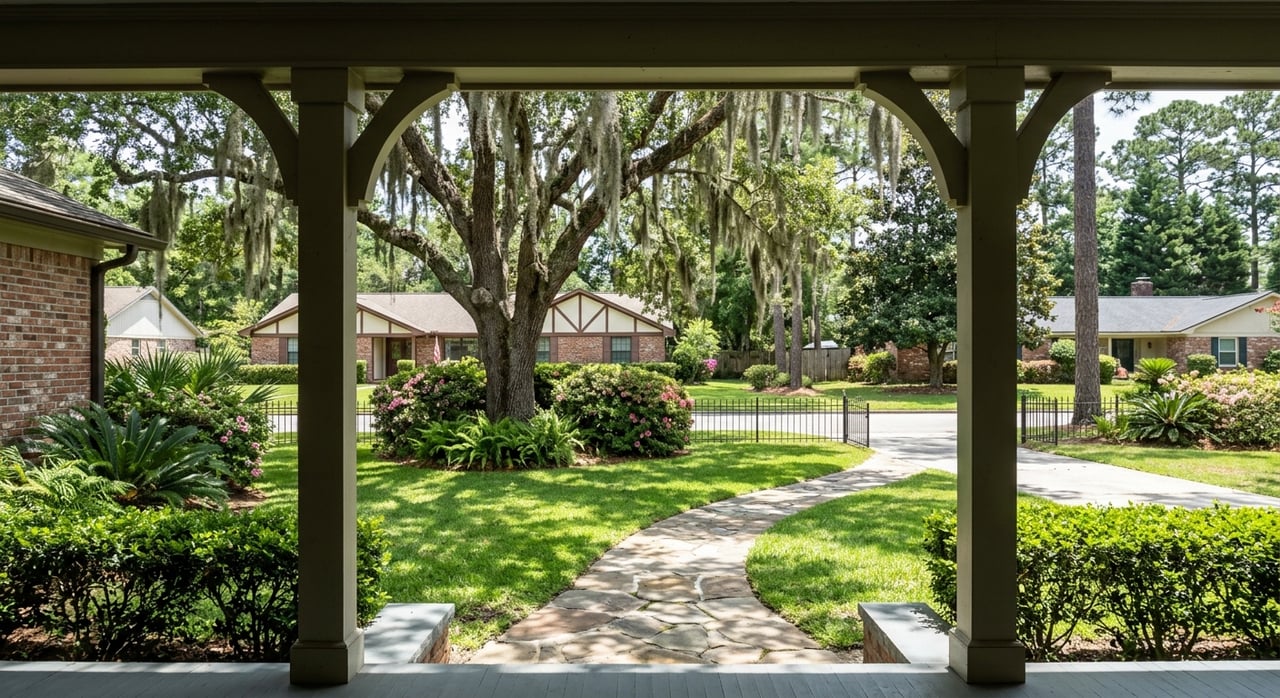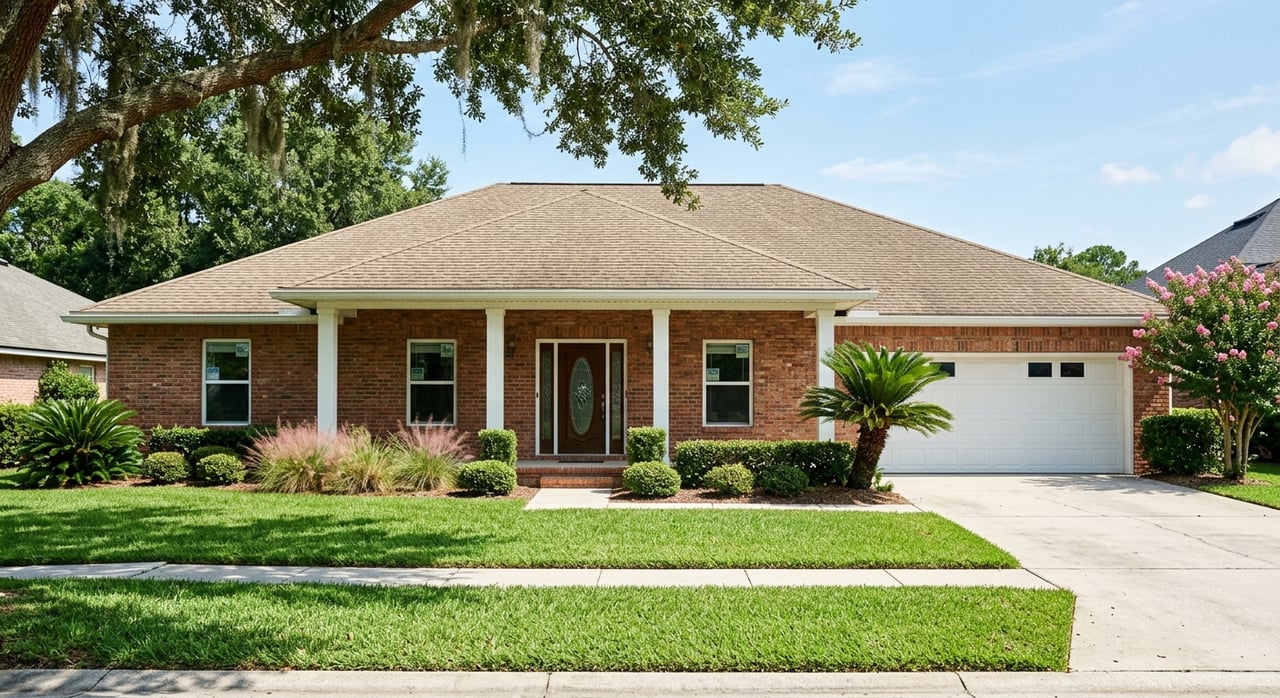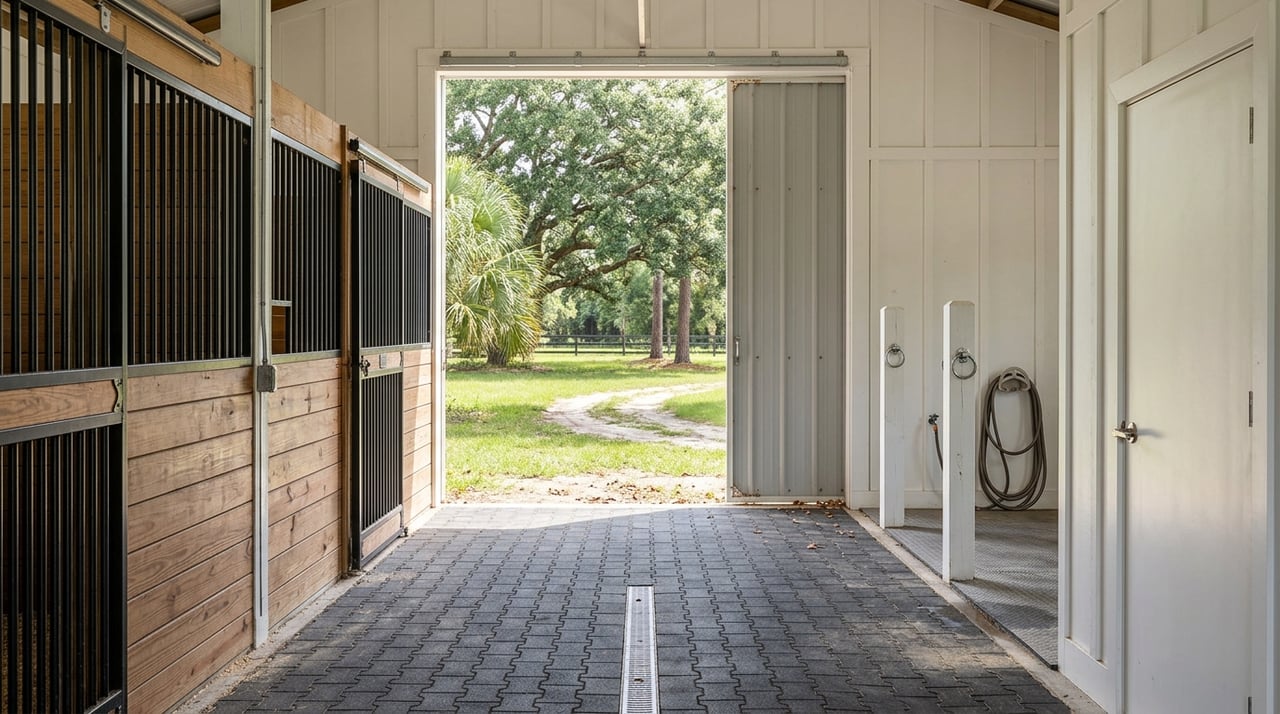
If you are dreaming about a horse property in Citrus County, Pine Ridge probably keeps coming up for a reason. It offers a rare mix of residential living and equestrian amenities, but buying here takes more than spotting a home with acreage and a fence. If you want to avoid expensive surprises, this guide will help you focus on how the land works, how the community rules work, and what to verify before you buy. Let’s dive in.
Why Pine Ridge stands out
Pine Ridge is a census-designated place in Citrus County with 11,042 residents, 24.85 square miles of land, and a high owner-occupied housing rate of 91.9%, according to Census QuickFacts. The same data shows 51.8% of residents are age 65 and over, which helps explain why many buyers are drawn to the area’s quieter, lifestyle-focused setting.
For horse owners, the bigger draw is the built-in equestrian framework. The Pine Ridge Property Owners Association states that residents have access to more than 28 miles of deeded trails, along with a community equestrian center that includes a 17-stall barn, 13 pastures, tack rooms, wash racks, trailer parking, and multiple riding spaces.
That combination is what makes Pine Ridge different from simply buying rural land. You are not just shopping for acreage. You are evaluating whether a specific property fits your horses, your riding habits, and the community’s structure.
Know what the equestrian center is
One of the most important things to understand is that the community barn is not a full-board facility. The Pine Ridge equestrian fact sheet describes it as a limited co-op designed as a transitional facility for residents.
That matters because some buyers assume the community barn can solve all of their long-term horse-keeping needs. According to the same fact sheet, use is limited to Pine Ridge residents, generally capped at two horses and a two-year stay, subject to revision by the main office. Before you rely on it, you should verify the current rules directly.
In practical terms, the equestrian center can be a valuable amenity, but it should not replace due diligence on the property itself. If you plan to keep horses at home over the long term, the parcel still needs to function well on its own.
Focus on layout, not just acreage
A common mistake buyers make is treating acreage like the whole story. For equestrian property, the real question is whether the lot can support a usable setup for your home, barn, paddocks, trailer access, and daily horse care.
Citrus County property tools can help you look past the listing photos. The county property appraiser and GIS resources provide parcel maps, aerials, ownership records, building sketches, zoning, setbacks, utilities, and topography. Those details can help you evaluate whether the property has enough practical space, not just enough raw land on paper.
A lot can look generous until you account for setbacks, drainage patterns, utility corridors, and driveway layout. That is why parcel-level review matters so much when you are buying an equestrian property in Pine Ridge.
Check if the property is truly build-ready
If you are buying a home with existing horse improvements, your checklist will look different than if you are buying vacant land or planning additions. Citrus County permit materials say a development order and or permit is required before development activity, and site plans are part of the application package.
The county materials also note that septic and or well paperwork may be required. The Florida Department of Health in Citrus County still handles septic permitting and inspections, so a parcel with beautiful open space is not automatically ready for a barn, run-in shed, or other structure.
This is one of the biggest reasons buyers need to think ahead. If your plan depends on building improvements after closing, make sure you understand what approvals and site conditions may affect that plan.
Understand accessory structure rules
Horse buyers often focus on the house first and the barn second, but the barn may be the harder part of the equation. County permit-review comments show that accessory structures may not be placed on vacant property before the principal use exists.
That means if you are buying a vacant lot, you may not be able to start with the barn. In some cases, the home may need to come first, which can affect your budget, timeline, and phasing.
Lot size can also affect what is possible. Current county review comments cite a 1,200-square-foot detached accessory-structure threshold in some cases under the less-than-two-acre rule, along with exterior material and color compatibility with the main residence. If you are considering a smaller parcel or a custom outbuilding, this is something to verify early.
Think through daily horse logistics
A horse property can look great during a showing and still be awkward in real life. That is why your tour-day checklist should go beyond curb appeal.
Here are a few practical questions worth asking:
- What is the exact acreage?
- Where are the lot lines, easements, drainage areas, and utility corridors?
- Is the home already established, or is the parcel vacant?
- Is there room for a trailer to enter, turn, and exit safely?
- Can feed delivery, manure pickup, and emergency vehicles access the property easily?
- Will you need septic or well work before adding structures or expanding use?
- If you plan to use the community barn, do the current horse limits and resident rules fit your needs?
These details may sound small, but they shape how easy the property will be to use every day. For many buyers, function matters just as much as location.
Learn how trail access works
Pine Ridge’s trail system is a major lifestyle benefit, but it is important to view it as a managed community amenity rather than open, unregulated land. PRPOA rules say no motorized vehicles are allowed except PRPOA maintenance, trail users ride at their own risk, the area is not patrolled, and pedestrians must yield to horseback riders.
The rules also say horses must be under direct control in the arenas and equipment should be removed after use. In short, the trails and riding areas are a real advantage, but they come with expectations for safe and respectful use.
For many buyers, that structure is a plus. It helps preserve the equestrian character of the community while giving residents access to established riding infrastructure.
Look beyond Pine Ridge for riding options
Another appealing part of this area is that your riding opportunities do not stop at the neighborhood boundary. Nearby public options can add flexibility for trail riders who want variety.
Florida State Parks says the Withlacoochee State Trail is 47 miles long and includes an unpaved equestrian trail along portions of the corridor. The Florida Fish and Wildlife Conservation Commission says Citrus Wildlife Management Area covers nearly 50,000 acres and allows horseback riding as one of its recreation options.
The Florida Forest Service’s Citrus Horse Trails brochure adds useful details for planning. It notes that the trails are generally dry, all-weather trails, although low areas can be wet during the summer rainy season. It also states that trailheads provide vehicle parking, horses are limited to designated horse trails and open roads, and horses entering the forest or other managed lands must show proof of a negative Coggins test.
Plan for seasonal riding conditions
If you are relocating from outside the area, this is worth noting. Riding conditions in Citrus County can shift with weather and season, especially in lower areas during the rainy months.
The Citrus Horse Trails brochure also notes that the trail system sits inside a wildlife management area. That means hunting-season planning and visibility matter. If public trail access is an important part of your routine, be sure your expectations match those seasonal realities.
Pine Ridge may be best for this type of buyer
Pine Ridge tends to work especially well if you want a horse-friendly community, not just horse-friendly land. The established trail system and equestrian center give the neighborhood a built-in riding identity that is hard to replicate on a random acreage parcel.
At the same time, the best fit usually comes when you want both community amenities and a property that stands on its own. If your plan depends heavily on private barns, paddocks, trailer movement, or future additions, site feasibility matters just as much as the neighborhood name.
That is where local guidance can make a real difference. Buying equestrian property is often less about finding the biggest lot and more about finding the right combination of layout, rules, infrastructure, and long-term fit.
If you are considering Pine Ridge, I can help you compare properties, spot red flags early, and narrow your search to homes and acreage that match how you actually live and ride. When you are ready to start your search, connect with Cazi Hockenbury.
FAQs
What makes Pine Ridge appealing for equestrian buyers?
- Pine Ridge offers more than 28 miles of deeded trails and a resident equestrian center with barns, pastures, arenas, and riding spaces, which makes it attractive for buyers who want an established horse-friendly community.
Can you rely on the Pine Ridge community barn for long-term horse boarding?
- Not necessarily. The PRPOA fact sheet describes the barn as a limited co-op and transitional facility for residents, with rules that generally limit use to two horses and a two-year stay, so buyers should verify current rules before depending on it.
What should you inspect on a Pine Ridge horse property?
- You should review parcel maps, lot lines, easements, drainage areas, setbacks, utilities, topography, trailer access, and whether the site can realistically support barns, paddocks, and other horse-related improvements.
Can you build a barn first on vacant land in Citrus County?
- County permit-review comments indicate accessory structures may not be placed on vacant property before the principal use exists, so buyers should verify whether the home must be built before a barn or similar structure.
Do Pine Ridge equestrian buyers need to check septic and well requirements?
- Yes. Citrus County permit materials say septic and or well paperwork may be required for development, and the Florida Department of Health in Citrus County handles septic permitting and inspections.
Are there nearby public riding options outside Pine Ridge?
- Yes. Research sources note that the Withlacoochee State Trail includes equestrian sections, and Citrus Wildlife Management Area offers horseback riding opportunities with rules that riders should review before use.