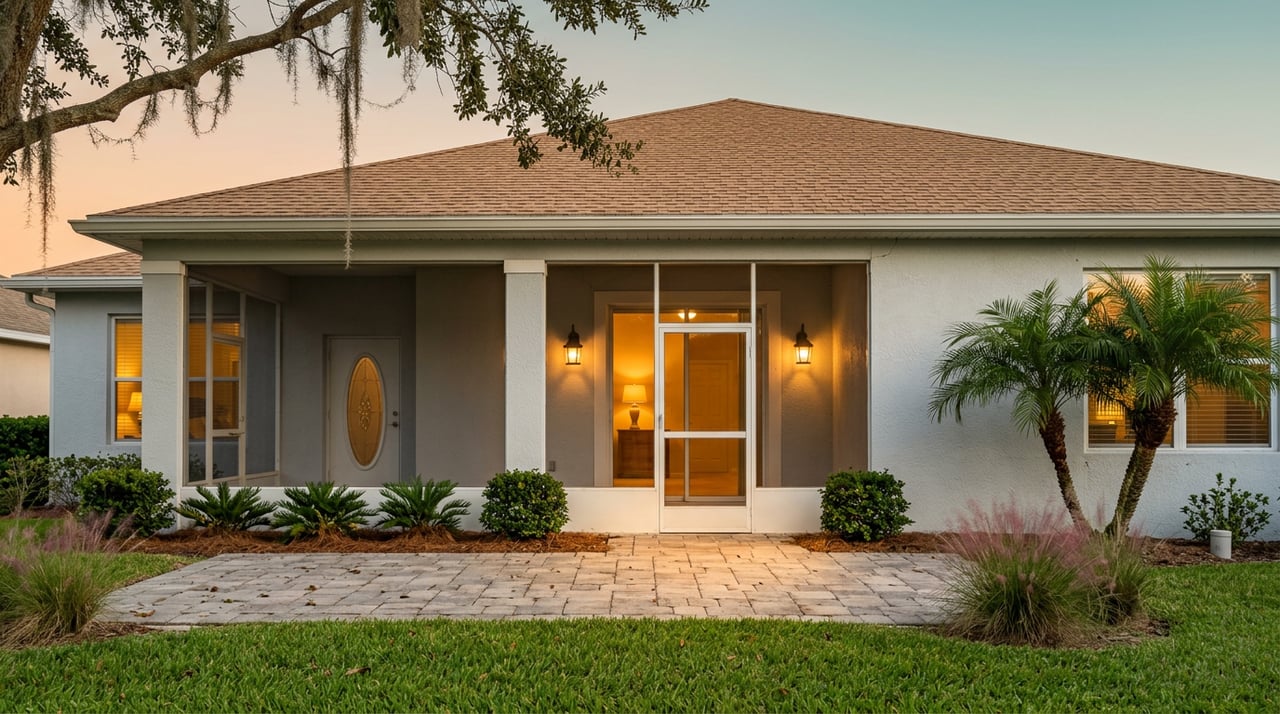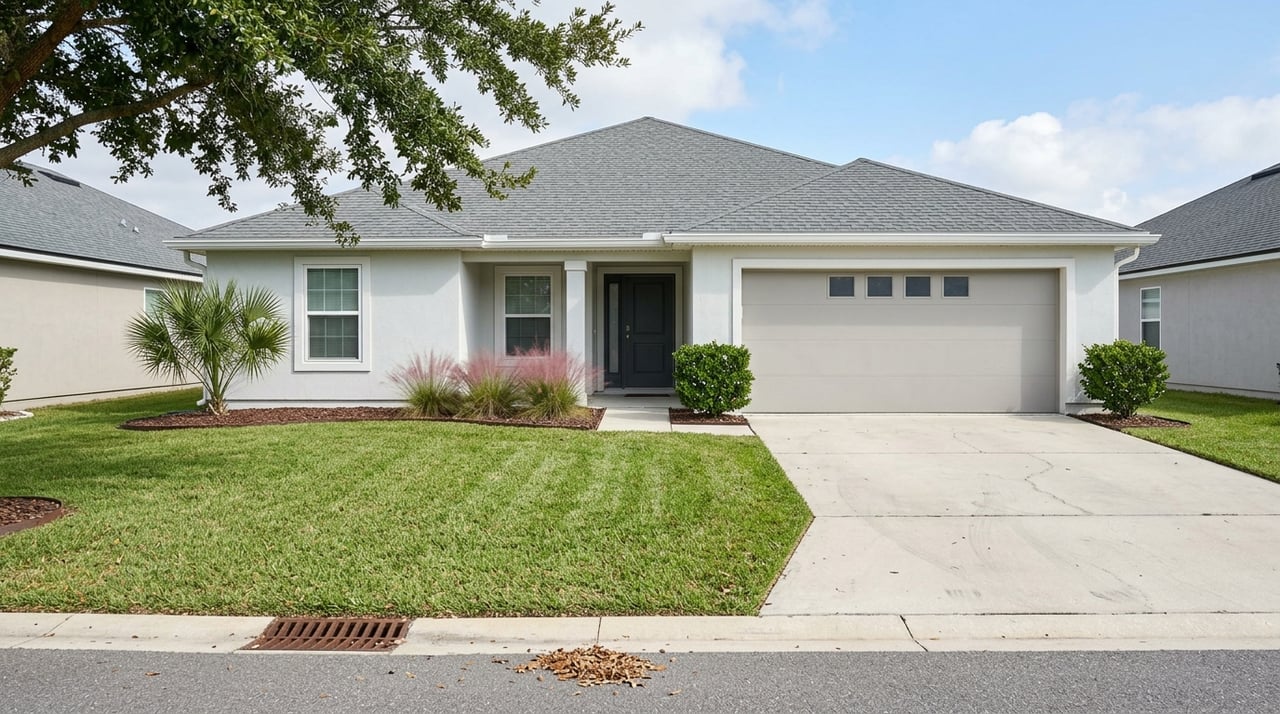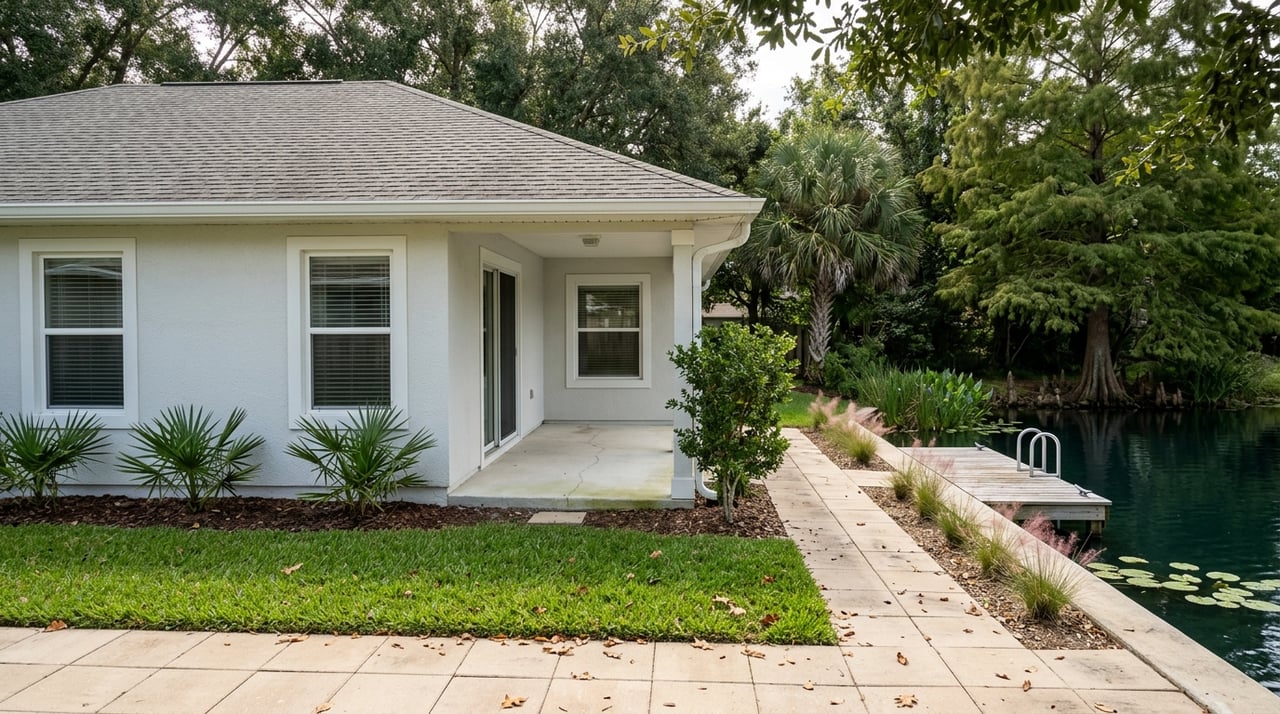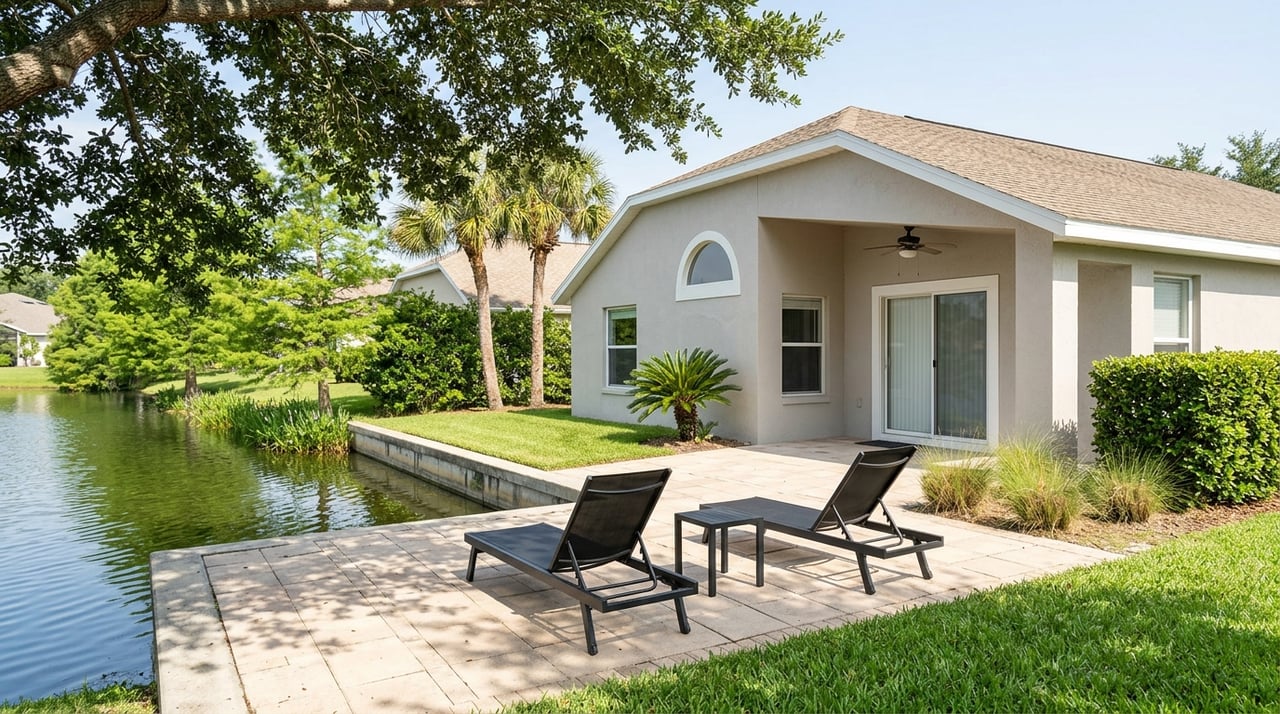
Thinking about buying your first home in Citrus Springs, but worried the jump from rent to ownership feels too big? You are not alone. If you want a practical plan instead of vague advice, the good news is that local numbers point to a path that may be more doable than you think. Let’s break it down step by step.
Why Citrus Springs Makes Sense
For many renters, the first question is simple: Can I realistically afford to buy here? In Citrus Springs, that question is worth a closer look. Recent local data show a median sale price of $264,000 in March 2026, while the median listing price sat closer to $279,000.
That gap matters because it shows the difference between asking prices and what buyers are actually paying. Redfin reports homes selling at about 98.9% of list price, while Realtor.com shows about 97% of list price. In plain terms, buyers often have some room to negotiate, especially when a home is priced too high or has been sitting for a while.
Citrus Springs also has a slower market pace than a fast-moving bidding-war environment. Homes have been taking around 74 to 90 days to sell, depending on the data source. That gives you a little more breathing room to compare options, run the numbers, and avoid rushing into a decision.
Rent vs. Buy in Citrus Springs
If you are renting now, the local cost comparison is especially interesting. Census data show a median gross rent of $1,324 in Citrus Springs. The median monthly owner cost with a mortgage is $1,273.
Those numbers are close enough that buying may feel less out of reach than you expected. Of course, your real payment depends on your loan terms, taxes, insurance, and maintenance costs. Still, the local data suggest that ownership and rent are in a similar monthly range for many households.
That is one reason Citrus Springs stands out for value-focused buyers. It offers a market where the monthly cost of owning may be manageable compared with rent, while still giving you a chance to build long-term stability. The key is making sure your personal budget supports the full cost of ownership, not just the mortgage payment.
What the Area Feels Like
Citrus Springs tends to feel more stable than transient. Census data show 4,561 households, an owner-occupied rate of 86.3%, and 93.1% of residents living in the same house one year earlier. That points to a market where many people stay put and treat homeownership as a long-term decision.
The area also appeals to buyers who want access to outdoor recreation and a relaxed Florida lifestyle. The Withlacoochee State Trail is a 47-mile paved trail with multiple access points and no fee, and Rainbow Springs State Park is another nearby draw. If your goal is to buy a home that supports everyday enjoyment as well as long-term value, those local features matter.
Citrus Springs is also a deed-restricted community, according to the Citrus Springs Civic Association. That means you should review restrictions, community documents, and any construction-related requirements before closing. This is especially important if you are considering a new build or have specific plans for the property.
Start With Your Budget
Before you look at homes, get clear on what you can comfortably afford each month. HUD recommends starting with your income, credit profile, current monthly expenses, down payment amount, and expected interest rate. That is the foundation of a smart renter-to-owner plan.
It helps to think in terms of a payment ceiling, not just a maximum loan amount. A lender may approve you for more than you actually want to spend. Your better number is the monthly payment that still lets you handle savings, utilities, repairs, and everyday life without stress.
For some first-time buyers, FHA financing may be part of the conversation. HUD notes that FHA loans can allow down payments as low as 3.5% for qualified borrowers. That does not mean FHA is right for everyone, but it can be a useful option to ask about when you are comparing loan paths.
Check Assistance Early
One of the biggest barriers for renters is not always the monthly payment. Often, it is the upfront cash needed for down payment and closing costs. That is why it makes sense to check assistance options before you assume buying is off the table.
Florida Housing offers down payment and closing cost assistance through eligible homebuyer programs. Its resources also point buyers toward lender participation, SHIP information, and Mortgage Credit Certificate details. If you qualify, that support may help reduce the cash you need at closing.
At the county level, Citrus County’s adopted budget says Housing Services uses SHIP funds to help low-income residents in several ways, including subsidies through local nonprofit developers for first-time buyer down payment costs. That does not guarantee assistance, but it does make early research worthwhile. Waiting too long could mean missing a program window or finding out you needed documents you do not yet have.
Do Not Miss Homestead Savings
If you plan to live in the home as your primary residence, the homestead exemption is an important part of your budget. The Citrus County Property Appraiser says the exemption can save about $500 annually and can reduce taxable value by up to $50,000 on a primary residence. That can make a real difference in your long-term ownership costs.
The same office notes that homestead applications generally must be filed by March 1. It also states that the Save Our Homes cap limits annual assessed value growth to the lower of CPI or 3%. If you are buying now and expect to occupy the home as your main residence, this is one of those details worth planning for from the start.
Resale or New Construction?
In Citrus Springs, you may have a real choice between resale homes and new construction. That can be a good thing, but it also means you need to compare both options carefully using the same budget rules.
For resale homes, the current market gives buyers time to evaluate choices. Realtor.com describes Citrus Springs as a buyer’s market, with homes selling at about 97% of list price and a median of 74 days on market. Redfin’s data also support the idea of a more patient market, with 90 days on market and a median sold price of $264,000.
For new construction, there is active single-family permit activity in Citrus Springs. County permit records show that some builds require site-plan approval and utility-related conditions. That means the advertised price is only part of the story.
When you compare new construction, ask about:
- Permit stage
- Lot readiness
- Utility status
- Site-plan requirements
- Timeline to completion
- Any deed restriction or community paperwork
A new build may offer modern finishes and less immediate maintenance, but the process can involve more moving parts than many first-time buyers expect. A resale home may be more straightforward, but condition, age, and repair needs become a bigger part of the conversation.
Your Step-by-Step Buying Plan
If you want to move from renting to owning in Citrus Springs, try thinking of the process as a sequence instead of one giant leap. That mindset helps you stay organized and lowers the stress.
Step 1: Set a real monthly budget
Base your number on what feels sustainable, not just what a lender says you can borrow. Include mortgage, taxes, insurance, utilities, maintenance, and a little cushion for the unexpected.
Step 2: Get pre-approved
Pre-approval helps you understand your price range and shop with confidence. It also puts you in a stronger position when you find the right home.
Step 3: Review assistance options
Check Florida Housing programs and ask whether county-level SHIP-related help may apply to your situation. This step is easiest when you do it early, not after you are already under contract.
Step 4: Estimate homestead savings
If the home will be your primary residence, look at how homestead exemption may affect your future costs. This is a simple step, but it can sharpen your budget in a meaningful way.
Step 5: Compare resale and new builds
Use the same payment target for both. Do not let a model home or polished listing distract you from the actual monthly cost and the details tied to permits, utilities, or condition.
Step 6: Review restrictions and paperwork
Because Citrus Springs is deed-restricted, make sure you understand the rules tied to the property you want. This is especially important if you are planning future improvements or choosing a lot for new construction.
Step 7: Make a smart offer
In a market where homes are often selling below list price, strategy matters. You still need to move quickly on well-priced homes, but you may have room to negotiate based on condition, timing, and comparable sales.
Why Local Guidance Matters
Buying your first home is not just about finding a listing you like. It is about connecting your budget, financing, timing, and property choice in a way that works for your real life.
In Citrus Springs, that means understanding more than price alone. You may need help sorting through deed restrictions, comparing new construction against resale, reading market pace correctly, and staying focused on a monthly payment that feels comfortable. That kind of local insight can keep you from making an emotional decision that does not hold up on paper.
The good news is that Citrus Springs offers a realistic path for many renters who want to become owners. Pricing remains accessible compared with many higher-cost Florida markets, local ownership costs can be close to rent, and assistance programs may help with upfront expenses. With the right plan, the move from renter to owner can feel a lot more manageable.
If you are ready to map out your next move in Citrus Springs, Cazi Hockenbury can help you compare options, understand the local market, and build a home search around the way you want to live.
FAQs
What is the current home price range outlook in Citrus Springs?
- Recent local data put the median sold price around $264,000 in March 2026, while the median listing price was closer to $279,000, showing a gap between asking prices and actual sale prices.
Is Citrus Springs a buyer’s market for first-time homebuyers?
- Local market data suggest yes, with about 1.4K homes for sale, homes selling around 97% to 98.9% of list price, and median days on market ranging from 74 to 90 days.
How does renting compare with buying in Citrus Springs?
- Census data show a median gross rent of $1,324 and a median monthly owner cost with a mortgage of $1,273, though your actual ownership costs will depend on financing, taxes, insurance, and maintenance.
Are there down payment assistance programs for Citrus Springs buyers?
- Florida Housing offers eligible homebuyer programs with down payment and closing cost assistance, and Citrus County’s Housing Services budget references SHIP-related support for first-time buyer down payment costs through local nonprofit developers.
What should buyers know about homestead exemption in Citrus Springs?
- The Citrus County Property Appraiser says homestead exemption can save about $500 annually, reduce taxable value by up to $50,000 on a primary residence, and generally must be filed by March 1.
Should I choose a resale home or new construction in Citrus Springs?
- It depends on your budget and priorities, but buyers should compare both options carefully and review permit stage, utility status, lot readiness, and deed restriction paperwork when considering new construction.