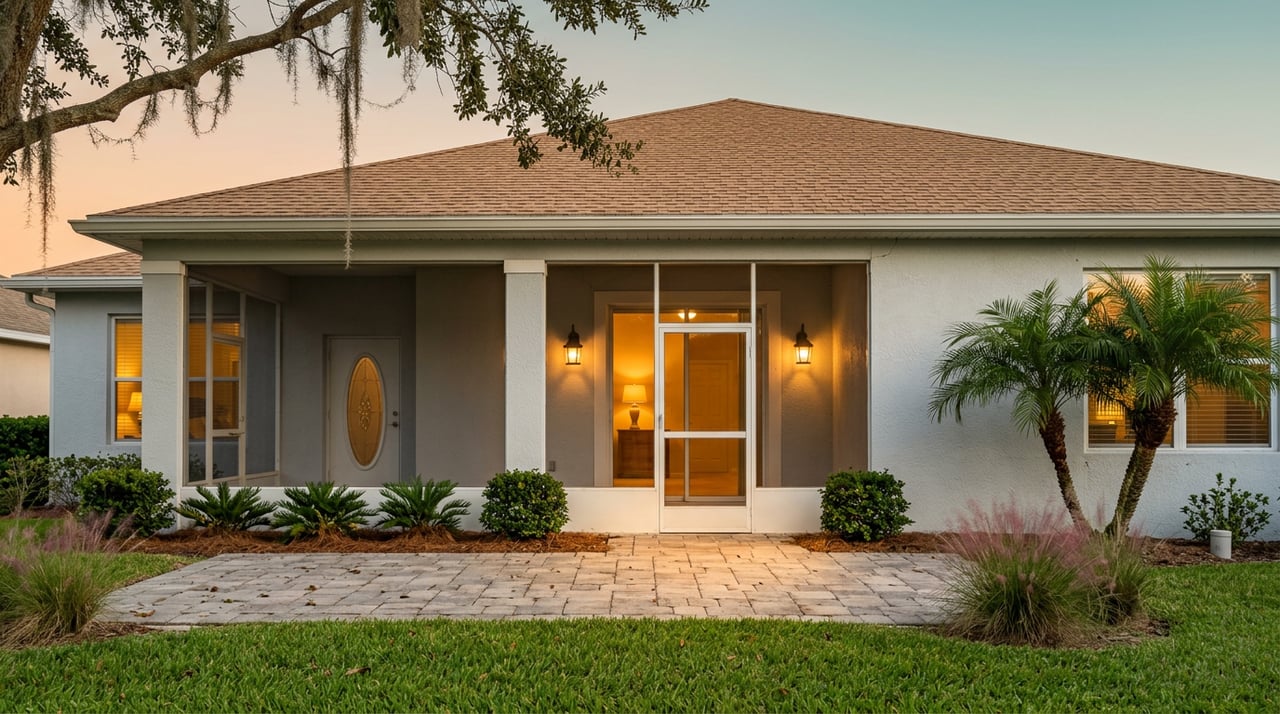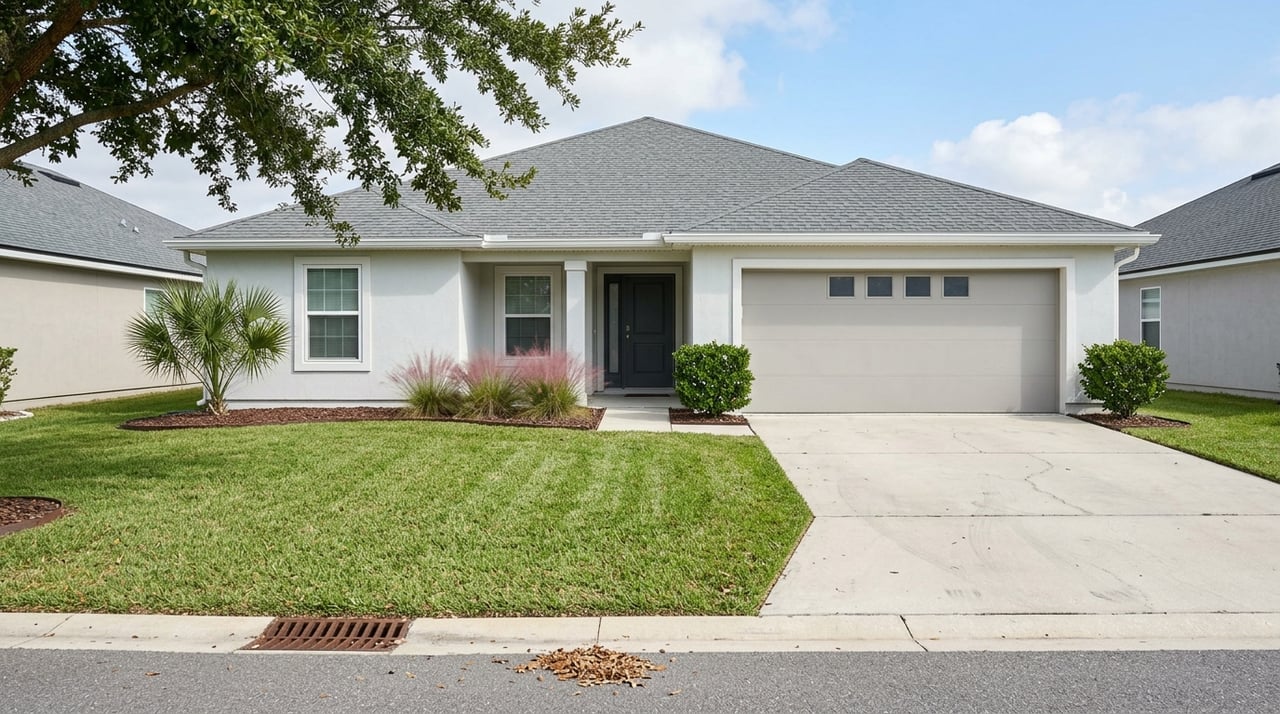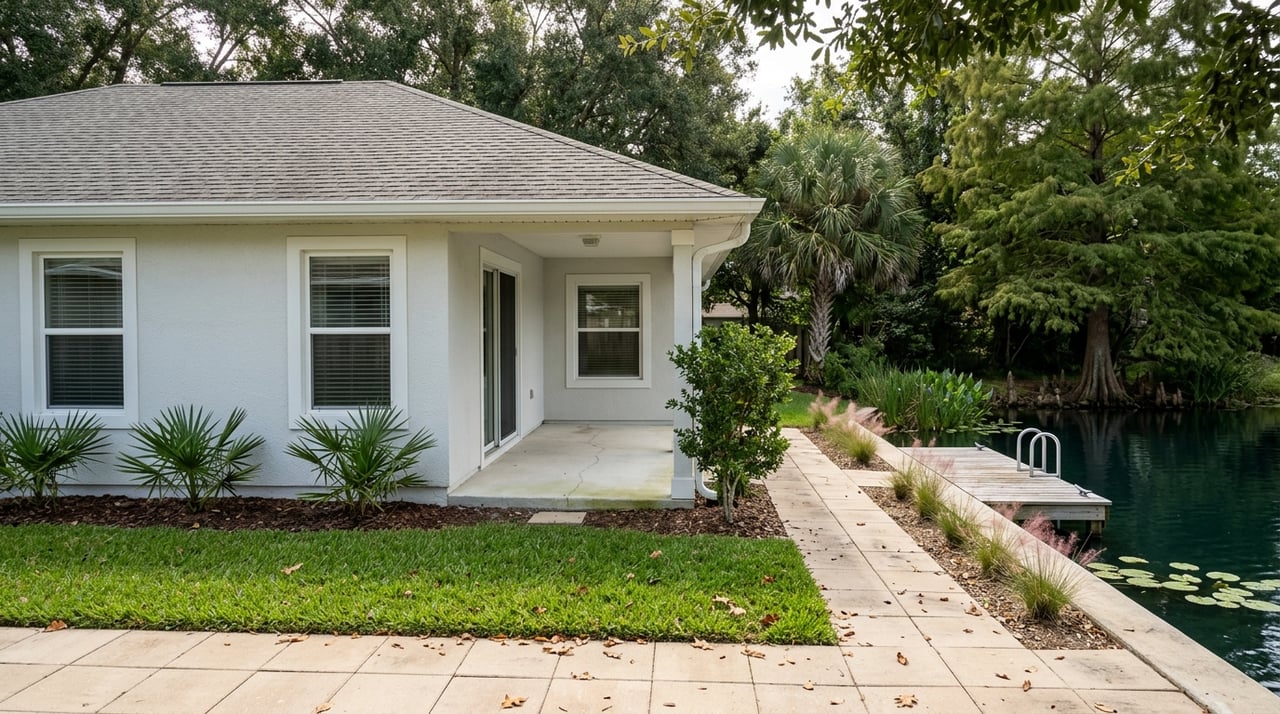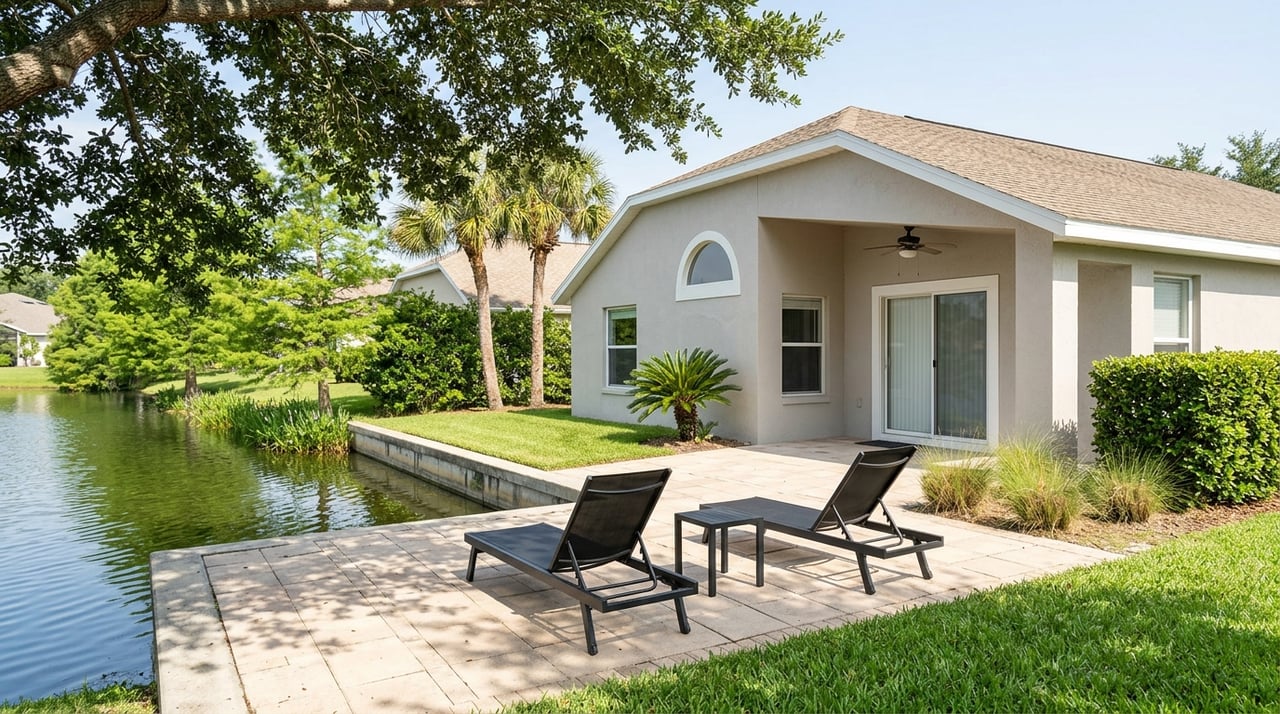
Wondering whether you should build or buy in Citrus Hills? It is a smart question, especially in a community where your home choice can shape not just your floor plan, but also your timeline, utility setup, and day-to-day lifestyle. If you are weighing a custom build against a resale home, this guide will help you compare the real tradeoffs so you can move forward with more clarity. Let’s dive in.
Why this decision matters in Citrus Hills
Citrus Hills is more than a place to buy a house. It is a master-planned community on Florida’s Nature Coast between Crystal River and Inverness, with amenities and activities that are a big part of why many buyers choose the area.
Community materials highlight golf, tennis, fitness, spa services, dining, clubs, and year-round activities. That means your decision to build or buy is not only about the home itself. It is also about how quickly you want to settle in and how closely you want your home choice to match your preferred lifestyle.
Build in Citrus Hills: what to expect
If you want a home tailored to your preferences, building can be appealing. You may be able to choose a homesite, floor plan, finishes, and features that better fit how you want to live.
Citrus Hills states that building on an existing homesite typically takes about 6 to 8 months from the time you decide to build. That timeline can work well if you are planning ahead, but it also means you should be ready for a process that includes design decisions, permitting, and utility coordination.
The biggest advantages of building
Building can make sense if you want:
- A newer home with your preferred layout
- The chance to choose a specific homesite
- More control over finishes and features
- A home designed around how you plan to use the space
For some buyers, that level of personalization is worth the extra time. This can be especially true if you are relocating and want your next home to align closely with your long-term plans.
Build timelines include more than construction
The 6 to 8 month estimate is helpful, but it should not be treated as the whole story. Citrus County notes that building permits are being processed through Accela beginning September 1, 2025, and one preparation step can take up to two weeks.
In other words, administrative steps and permit preparation should be part of your timeline from the start. If you are aiming for a certain move date, those details matter.
Build costs go beyond the contract price
One of the most important things to understand is that your build budget may include more than the home itself. Citrus County’s Building Fee Calculator says estimates can include building, plumbing, mechanical, electrical, gas, and plan review fees.
The county also notes that flood review and other items may apply, along with state BCIS and BCAI surcharges on permit fees. On top of that, Citrus County impact fees are a separate cost due when the building permit is issued.
Here are the county impact fee totals listed in the current schedule cited in the research:
- Single-family detached: $6,017
- Single-family age-restricted: $2,050
- Multi-family: $3,322
If you are comparing a new build to a resale home, make sure you are comparing the full picture, not just the sticker price.
Utilities can change the scope of a build
In Citrus Hills, neighborhood selection matters. The official neighborhood list shows that utility packages vary across the community.
Depending on the neighborhood, a homesite may be served by:
- Water and sewer
- Water and septic
- Well and septic
- Water and natural gas
- Utilities to be determined
That difference can affect upfront planning, connection requirements, and long-term maintenance. County utility review comments also show that some projects may need utility applications before a permit is issued, with connection fees due at permit issuance.
Future sewer availability can matter too. County comments note that if central sewer becomes available later, a property may be required to connect within 365 days of notification.
Flood zone review matters before you commit
Not every homesite has the same floodplain considerations. County permit comments show examples of AE and Coastal A Zone parcels requiring finished-floor elevation compliance, elevation certificates, and substantial-improvement review.
Before you choose a lot, verify the exact flood zone and ask how it may affect design, cost, and permitting. That step can save you time and prevent surprises later.
Owner-builder is not a casual shortcut
Some buyers wonder if acting as an owner-builder could lower costs. In Citrus County, that option comes with serious responsibilities.
The county’s owner-builder affidavit says you must personally appear and sign the permit application, directly supervise the work, and use the exemption only for certain owner-occupied properties. It is a legal and financial commitment, not just a simple way to avoid contractor fees.
Buy in Citrus Hills: why resale may be the better fit
If your priority is simplicity or speed, buying an existing home may be the easier path. Since Citrus Hills says a typical build takes 6 to 8 months, a resale home often gets you to occupancy faster once financing, inspection, and closing are complete.
That can be a major advantage if you are relocating on a deadline, trying to line up a sale elsewhere, or simply do not want to manage a construction timeline.
The biggest advantages of buying resale
A resale home may be the better choice if you want:
- A faster move-in timeline
- A home you can walk through and evaluate today
- Fewer moving parts than a ground-up build
- A clearer picture of the lot, landscaping, and established surroundings
For many buyers, there is peace of mind in seeing exactly what you are getting before you close.
Resale still requires careful due diligence
Buying an existing home does not mean you can skip the homework. The Citrus County Property Appraiser website offers ownership information, assessment data, building sketches, sales data, parcel maps, and aerials.
That makes it easier to compare an existing home with nearby homesites or recent sales. If you want an apples-to-apples comparison between building and buying, these tools can be very useful.
Check the property tax picture early
If the home will be your primary residence, it is worth reviewing homestead and portability resources through the Property Appraiser. This can be especially important if you are retiring, relocating from another area, or trying to estimate your long-term housing costs after closing.
A good purchase decision is about more than the sale price. You also want to understand the ongoing costs that come with ownership.
Existing homes can still have flood or permit issues
It is easy to assume floodplain review is only a concern for new construction, but that is not always true. County floodplain resources and permit comments show that substantial-improvement or repair review can still apply to existing homes, especially if there has been past flood damage or major alterations.
If you are buying resale, ask questions about permit history, major updates, and any flood-related repairs. That helps you understand the property more fully before you move forward.
Membership and lifestyle costs to compare
In Citrus Hills, the lifestyle piece deserves just as much attention as the home itself. Community and club materials highlight access to golf, fitness, tennis, pickleball, dining, spa amenities, and social programming.
The 2025 membership brochure shows that membership is tiered, with different dues, deposits, and in some cases trail fees. It also notes that golf, tennis, and social memberships are subject to 6% Florida sales tax.
Examples from the brochure include:
- Social membership: $477 single and $560 family quarterly, with a $2,000 refundable deposit
- Citrus Hills golf membership: $680 single and $992 family quarterly, with a $7,000 refundable deposit, plus trail fees of $538 and $664
- Skyview course-only: $1,424 and $1,835 quarterly, with a $17,500 refundable deposit
- Skyview tennis: $354 and $413 quarterly
The brochure also shows that membership options vary by course and village. In practice, that means your choice of home or homesite may shape not just your purchase price, but also your access and ongoing club costs.
One more point matters here. Citrus Hills says buyers who build with Citrus Hills Construction Company are guaranteed club membership. If you are buying resale, verify whether the property includes the same access or whether membership will be a separate decision.
How to choose between building and buying
If you are torn, start with your priorities instead of the property type. The right answer often becomes clearer when you focus on timeline, budget, and how much customization you really want.
Building may be right for you if
- You want a more personalized home
- You are comfortable waiting 6 to 8 months or more for the full process
- You are prepared for permit, impact fee, utility, and flood-zone review details
- You want to choose a homesite carefully based on utilities and location
Buying resale may be right for you if
- You want to move sooner
- You prefer to see the finished home before making a decision
- You want fewer construction-related variables
- You are comparing existing homes using local property and sales data
A practical Citrus Hills checklist
Before you decide, make sure you have answers to these questions:
- What utility package serves this neighborhood or homesite?
- Is the property in a flood zone that could affect design, insurance, or future improvements?
- What are the full build costs beyond the home price, including permit fees, impact fees, utility charges, and possible flood review?
- What membership tier, deposit, dues, trail fees, and sales tax apply to this property choice?
- If buying resale, what do the Property Appraiser records and sales data show?
- If considering owner-builder, do you fully understand the county requirements and responsibilities?
A careful comparison now can help you avoid costly surprises later.
In Citrus Hills, there is no one-size-fits-all answer. Building can give you a more tailored home and a fresh start, while buying resale can offer speed, simplicity, and a clearer view of what you are getting. The best choice depends on your timeline, budget, comfort with the process, and the kind of Florida lifestyle you want to step into.
If you want help comparing homesites, resale options, and the details that can change your total cost, working with a local agent can make the process much easier. Connect with Cazi Hockenbury for thoughtful, local guidance as you weigh your options in Citrus Hills.
FAQs
How long does it take to build a home in Citrus Hills?
- Citrus Hills says a build on an existing homesite typically takes about 6 to 8 months from the time you decide to build, and county permitting steps should be factored into that timeline.
What utility setups should you check in Citrus Hills before building?
- You should confirm whether a neighborhood or homesite is served by water and sewer, water and septic, well and septic, water and natural gas, or another setup because utilities can affect both project scope and long-term maintenance.
What extra costs should you expect when building in Citrus Hills?
- Beyond the home contract price, you may need to budget for county permit-related fees, plan review, impact fees, utility connection charges, flood review, and state surcharges that apply to permit fees.
Is buying a resale home in Citrus Hills faster than building?
- In many cases, yes. Since building typically takes 6 to 8 months, a resale home can offer a faster path to occupancy once financing, inspection, and closing are complete.
What should resale buyers in Citrus Hills review before closing?
- You should review Property Appraiser records, sales data, parcel maps, building sketches, permit history, tax tools like homestead and portability, and any flood-related repair or improvement issues tied to the property.
How do club memberships affect a Citrus Hills home purchase?
- Membership is an important part of the Citrus Hills lifestyle and can involve different quarterly dues, refundable deposits, trail fees, and sales tax depending on the membership type, course, and village, so you should confirm the exact membership details tied to any home or homesite you are considering.