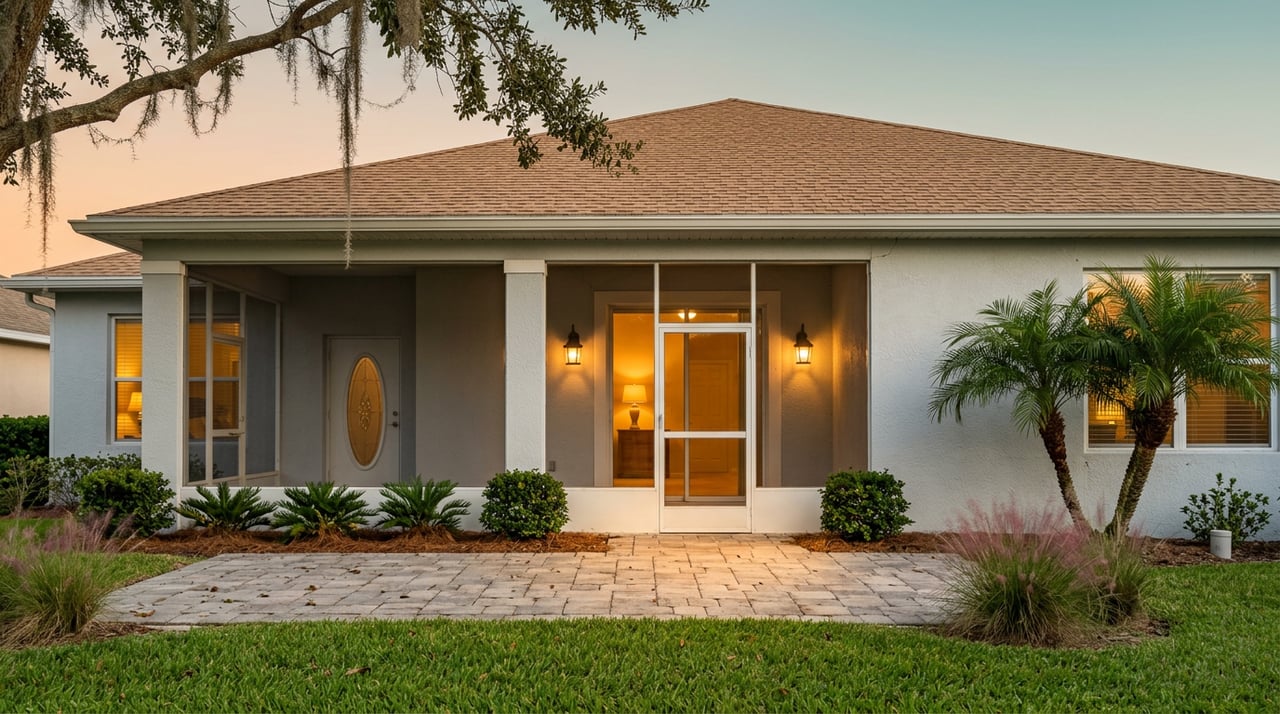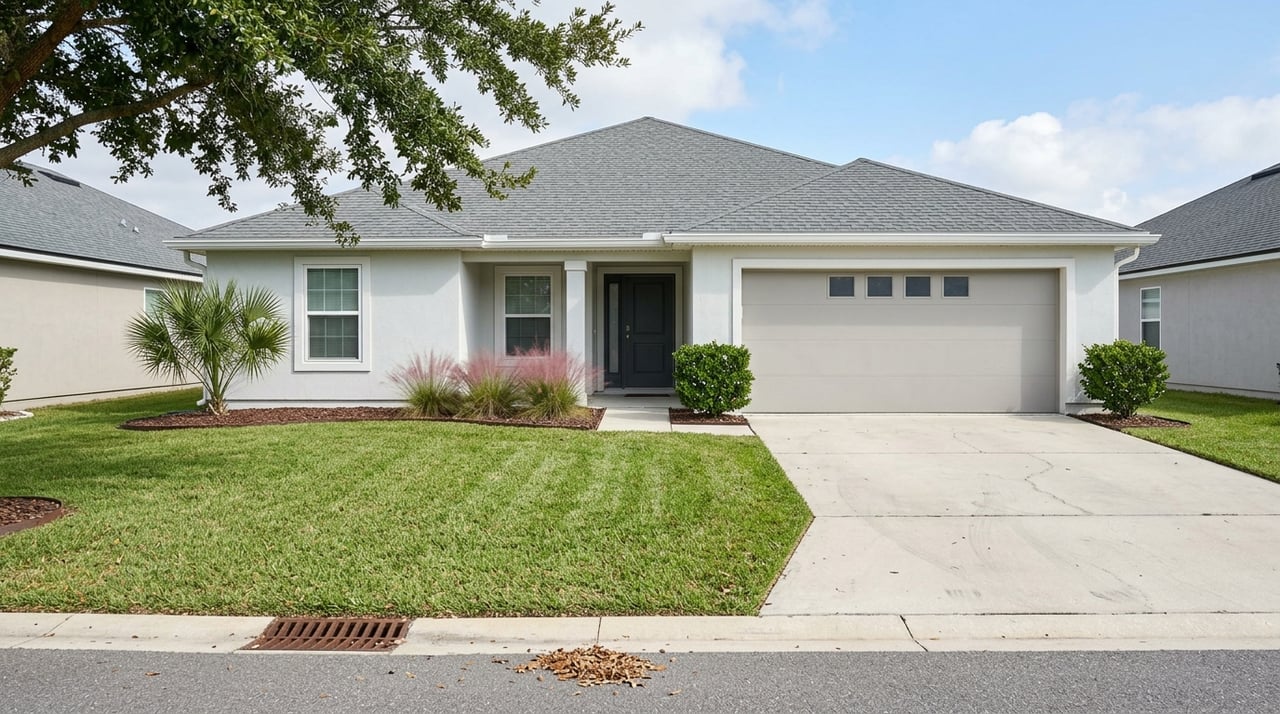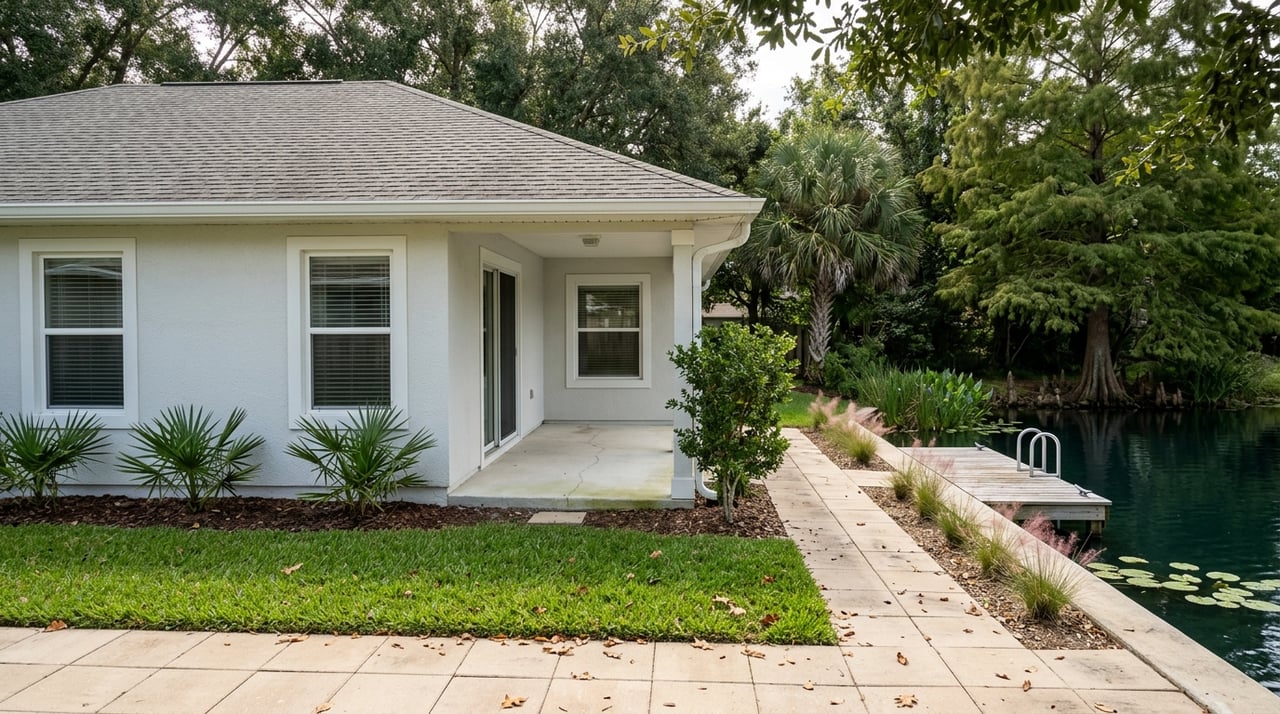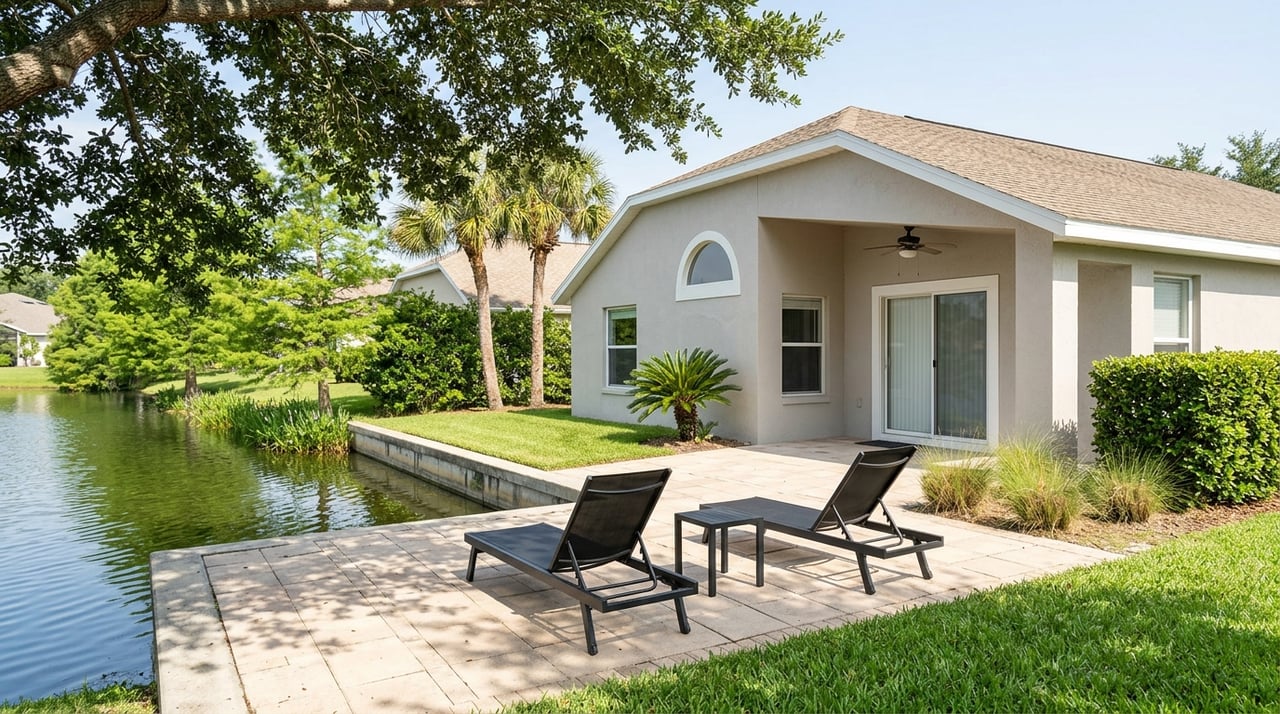
Thinking about buying land or a country home in Floral City? It is easy to fall for the oak-lined roads, older cottages, and quieter pace, but a great purchase here depends on more than charm alone. If you want space, character, and a property that fits your lifestyle, you also need to understand access, zoning, water, septic, and flood factors before you commit. Let’s dive in.
Why Floral City Appeals to Land Buyers
Floral City stands out for buyers who want a rural-feeling setting with room to spread out. Florida State Parks identifies it as a trail town along the 47-mile Withlacoochee State Trail, with a rest facility and gazebo, and notes that the trail corridor passes through small towns, ranches, and natural areas.
That setting matters if you are looking for acreage, a cottage with character, or a small homestead instead of a typical subdivision lot. Portions of the trail system also include an equestrian component, which adds to the area’s appeal for buyers focused on outdoor living and country-style property use.
Floral City’s Historic Character
One of Floral City’s biggest draws is its long-established look and feel. The Floral City Historic District was listed on the National Register of Historic Places in 1993, and the National Park Service describes the district as centered on Orange Avenue’s oak canopy and a concentration of historic resources.
The same nomination notes that Floral City changed little after the 1930s, which helps explain why many buyers are drawn to older homes, cottages, and smaller homesites here. If you love places with visible history and a more established setting, Floral City offers that in a way many newer communities do not.
What Historic District Status Really Means
A common concern is whether historic designation automatically limits what you can do with a property. According to Florida’s Division of Historical Resources, National Register listing does not automatically prevent modification or demolition, and it does not create blanket restrictions on private owners by itself.
That said, you should not assume there are no rules at all. If a home is in or near the historic district, ask whether local overlay requirements, design review, or rehabilitation guidance may apply to exterior changes, additions, or certain project types.
Land Due Diligence Comes First
When you buy land or a country property in Floral City, due diligence is everything. A beautiful parcel can still come with issues that affect how you use it, what you can build, and what future costs may look like.
Citrus County’s public parcel and mapping tools are a smart place to start. The county GIS General Parcel Map includes roads, lot lines, easements, rights-of-way, zoning, flood-hazard layers, wetlands, aerial imagery, hydrants, and land-development data.
The county’s Address Lookup tool also shows information like setbacks, utilities, emergency-management details, basin-management considerations, future land use, and current zoning. Citrus County also states that users should independently verify the information, so treat county mapping as a first step, not the final answer.
Check These Items Before You Buy
Before you move forward on a land purchase or older country home, make sure you review the basics carefully:
- Legal access and road frontage
- Easements or right-of-way issues
- Setbacks and actual buildable area
- Current zoning and future land use
- Flood-hazard layers
- Wetlands and drainage conditions
- Utility availability
- Parcel boundaries and survey details
These points can shape whether a property works for your plans. A lot may look perfect online but still have limits that affect a driveway, barn, addition, garden, or even the main home site.
Water Features Can Affect Value
Water is part of life in this area, and it can affect both lifestyle and property decisions. The Southwest Florida Water Management District says Lake Tsala Apopka is the largest freshwater resource in Citrus County, made up of interconnected marshes and open-water pools linked to the Withlacoochee River.
For you as a buyer, that means nearby water is not just a scenic bonus. Drainage, shoreline conditions, and the way a parcel interacts with surrounding water features can affect use, maintenance, and overall value.
Don’t Assume a Lot Is Build-Ready
A parcel near marsh, open water, or low-lying ground may need more investigation than a standard homesite. Flood layers and wetlands data should be part of your review early in the process, especially if you are planning to build or expand.
This is one reason local guidance matters so much in Floral City. Country properties can be full of opportunity, but each one needs to be evaluated on its own physical features and county data.
Wells Need Careful Review
Many country properties in Floral City rely on private wells. If that is the case for the property you want, the well deserves the same attention you would give the roof, foundation, or septic system.
Florida’s Department of Health recommends that private well owners test for bacteria and nitrate at least once a year. Its homeowner guidance also advises buyers to research the well’s age, condition, history, yield, treatment devices, and inspection records.
Questions to Ask About a Private Well
Ask for as much documentation as possible before closing. Important questions include:
- Is there a recent water test?
- How old is the well and pump?
- Is there a record of maintenance or repairs?
- What is the well’s yield?
- Are treatment devices installed?
- Is surface water directed away from the wellhead?
Florida’s guidance also notes that a well should be uphill from septic sources and that, in flood-prone areas, the well casing should be above the highest recorded flood level. Those details can matter more than buyers expect.
Septic Is a Big Part of the Budget
If a property is not on public sewer, septic should be reviewed carefully before you buy. Florida’s homebuyer guidance says buyers should request an inspection and assessment, including pumping and visual inspection of the tank, probing of the drainfield, and review of additional components like pumps or alarms when present.
This matters because septic systems are underground and may have gone unused or received inconsistent maintenance. Florida’s Department of Health notes that repairs can be costly, so a septic evaluation is an important part of pricing the property correctly and negotiating with confidence.
What to Request From the Seller
If the home or land has a septic system, ask for:
- Permit records
- Pumping history
- Past inspection records
- Repair or modification records
- Details on any pumps, alarms, or added components
Citrus County health department offices continue to handle septic permitting and inspections locally. If septic is part of the property, verify requirements early rather than waiting until the final stages of the transaction.
A Simple Floral City Buyer Strategy
If you are shopping for land or a country home here, it helps to balance lifestyle goals with practical review. Floral City’s appeal often starts with the trail-town setting, historic character, and access to nearby outdoor spaces, but the smart buying decision comes from matching that appeal with verified property details.
A good process usually looks like this:
- Identify the lifestyle you want, such as acreage, a cottage, trail access, or room for outbuildings.
- Review county parcel tools for zoning, setbacks, flood layers, wetlands, and access.
- Confirm legal and physical details with the county, survey, and licensed professionals.
- Investigate the well, septic, and drainage conditions.
- Ask whether historic district or local overlay considerations apply.
That approach can help you avoid surprises and focus on properties that truly fit your goals.
Why Local Guidance Helps
Buying in Floral City is different from buying in a more typical suburban neighborhood. Older homes, land parcels, water-related conditions, and utility questions can all shape the real value of what you are buying.
That is where working with someone who understands Citrus County can make the process smoother. When you have local insight into acreage, lifestyle-driven properties, and the questions that matter most, you can move forward with more clarity and less stress.
If you are exploring land, cottages, or country homes in Floral City, Cazi Hockenbury can help you narrow your options, evaluate the details that matter, and find a property that fits the way you want to live.
FAQs
What should you check before buying land in Floral City?
- Review legal access, frontage, easements, setbacks, zoning, future land use, flood-hazard layers, wetlands, and utility availability, then verify key details through the county, a survey, or licensed professionals.
Does the Floral City Historic District stop you from renovating a home?
- National Register listing alone does not automatically prevent modification or demolition, but you should ask whether local overlay rules, design review, or other regulated project requirements apply.
Why are wells important when buying a country home in Floral City?
- Many properties rely on private wells, so you should review water tests, well age, pump age, yield, maintenance history, and any treatment devices before closing.
Why should you inspect a septic system before buying a Floral City home?
- Florida’s homebuyer guidance recommends a septic inspection and assessment because underground systems can have hidden issues and repairs may be expensive.
How does water affect land value in Floral City?
- Nearby lakes, marshes, drainage patterns, wetlands, and flood conditions can affect how you use the property, what you can build, and what future maintenance may involve.
What makes Floral City attractive for country-home buyers?
- Floral City offers a trail-town setting, historic character, older cottages, and access to natural areas, which appeals to buyers looking for space, outdoor recreation, and a quieter lifestyle.