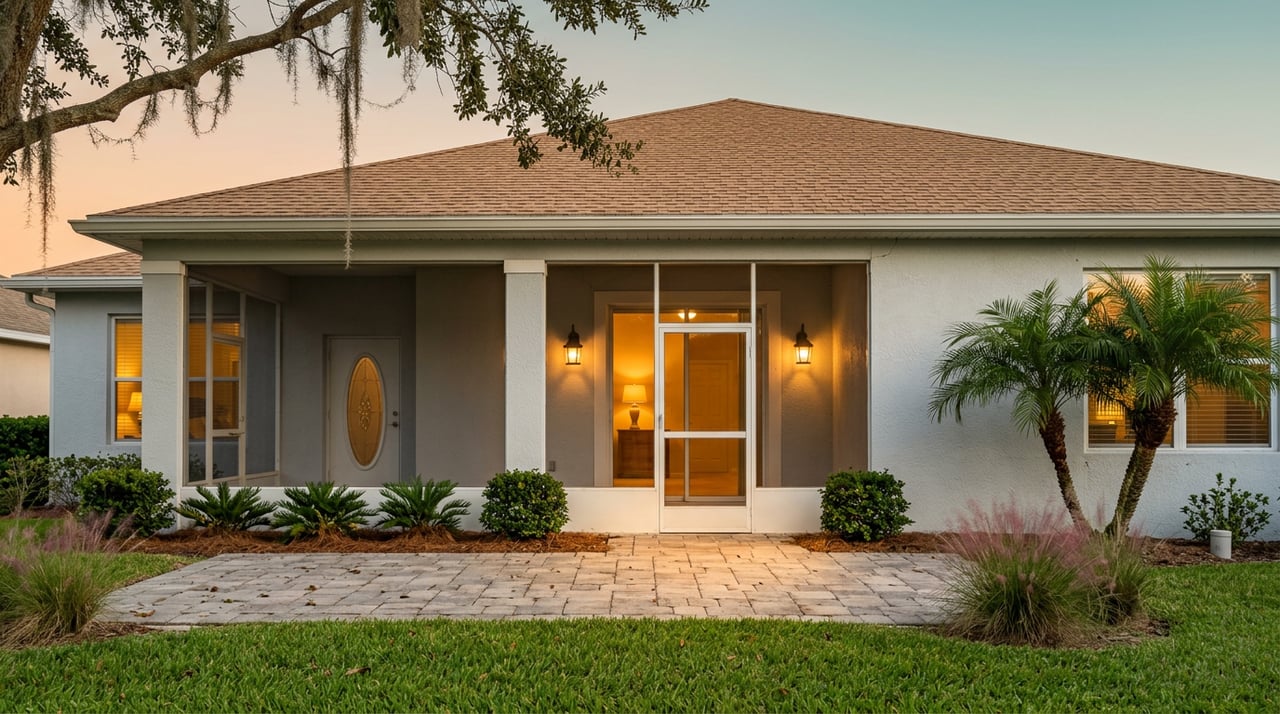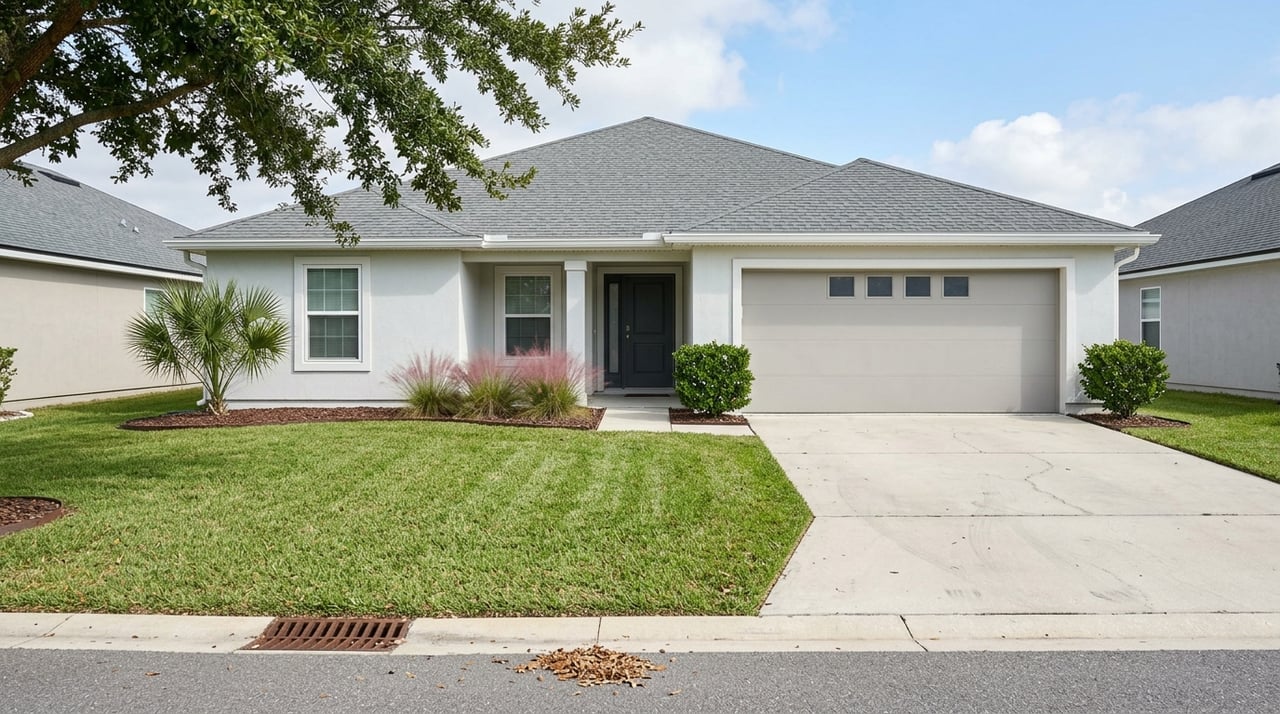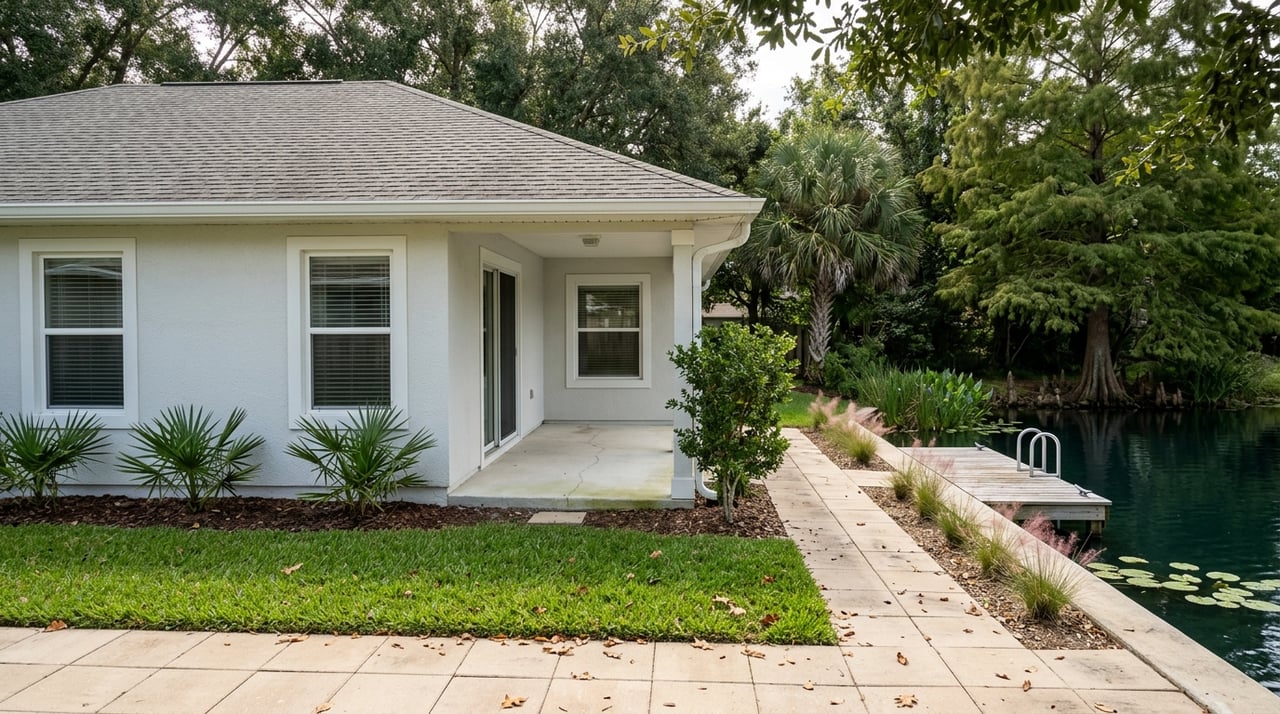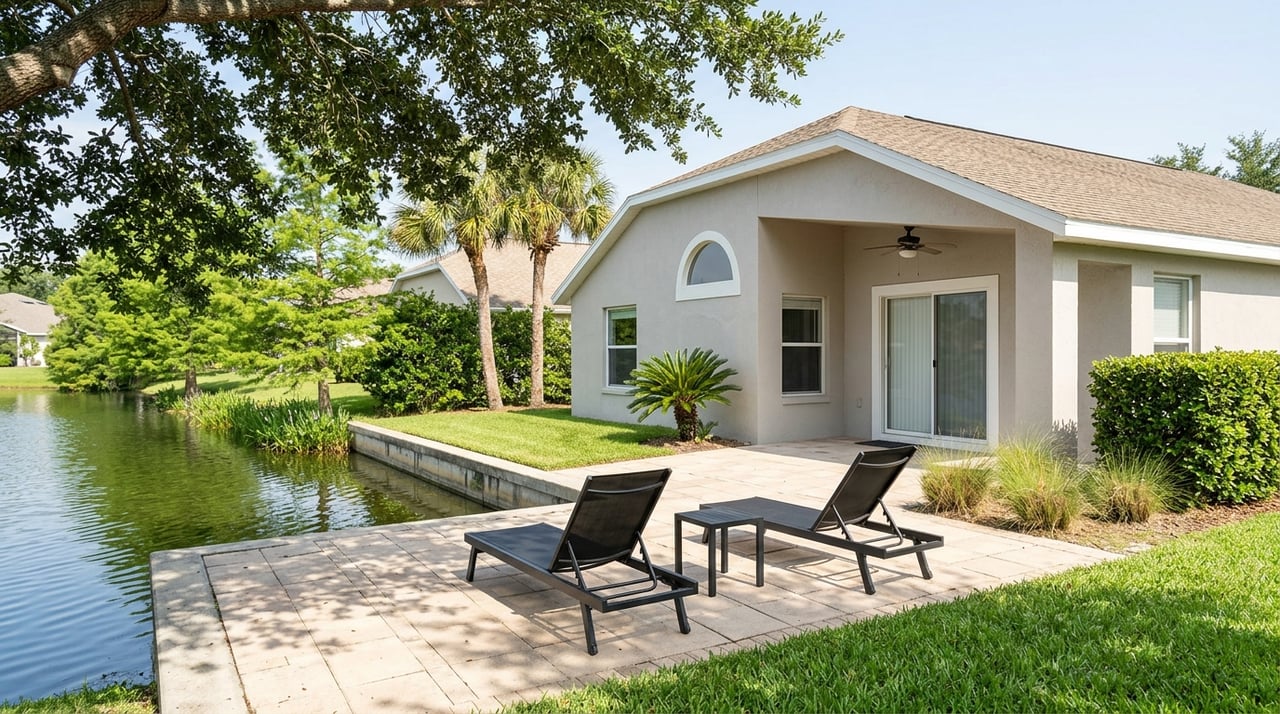
Building new in Lecanto can feel exciting and a little overwhelming. You have floor plans to compare, lot sizes to decode, CDDs and HOAs to understand, and builder contracts to navigate. If you want a clear path to the right choice, you are in the right place. In this guide, you will learn how to compare new construction options in Lecanto using local examples, what to look for in builder contracts and warranties, how CDD and HOA costs work, and what timeline to expect. Let’s dive in.
Start with your must-haves
Begin by defining how you want to live day to day. Do you want elbow room and space for a workshop, or would you prefer a lower-maintenance lot close to shopping and services? Do you want gated-club amenities or simple neighborhood sidewalks and a community pool? Clarifying these basics helps you focus your search and compare communities on what really matters to you.
Know Lecanto community types
Acreage and custom builds
If you value privacy, outbuildings, or room for pets and gardens, acreage homesites may fit best. In and around Lecanto, you can find 1–3+ acre parcels where custom builders can tailor a plan to your needs. Local custom builders, such as SanderSon Bay Fine Homes, show examples of “scatter-site” builds and deed-restricted acreage communities on their site. Reviewing a local custom builder’s portfolio can help you understand what design flexibility and finishes are typical at different budgets. You can browse examples on the SanderSon Bay Fine Homes site.
Acreage builds often use private well and septic, so plan for soil testing and septic feasibility early. These projects can take longer than production builds because of design, permitting, and site work steps.
Subdivisions with 40–65 foot lots
Many new Lecanto-area plats show lot widths in the 40–65 foot range with typical depths around 125 feet. For reference, 40 × 125 is about 0.11 acres, 50 × 125 is about 0.14 acres, and 65 × 125 is about 0.19 acres. Developer materials for future phases, including press information related to The Crossings along the Lecanto corridor, reflect this pattern of 50 and 65 foot products. You can see the project overview on DIX Developments’ The Crossings page and review lot-size context from press materials about the acquisition.
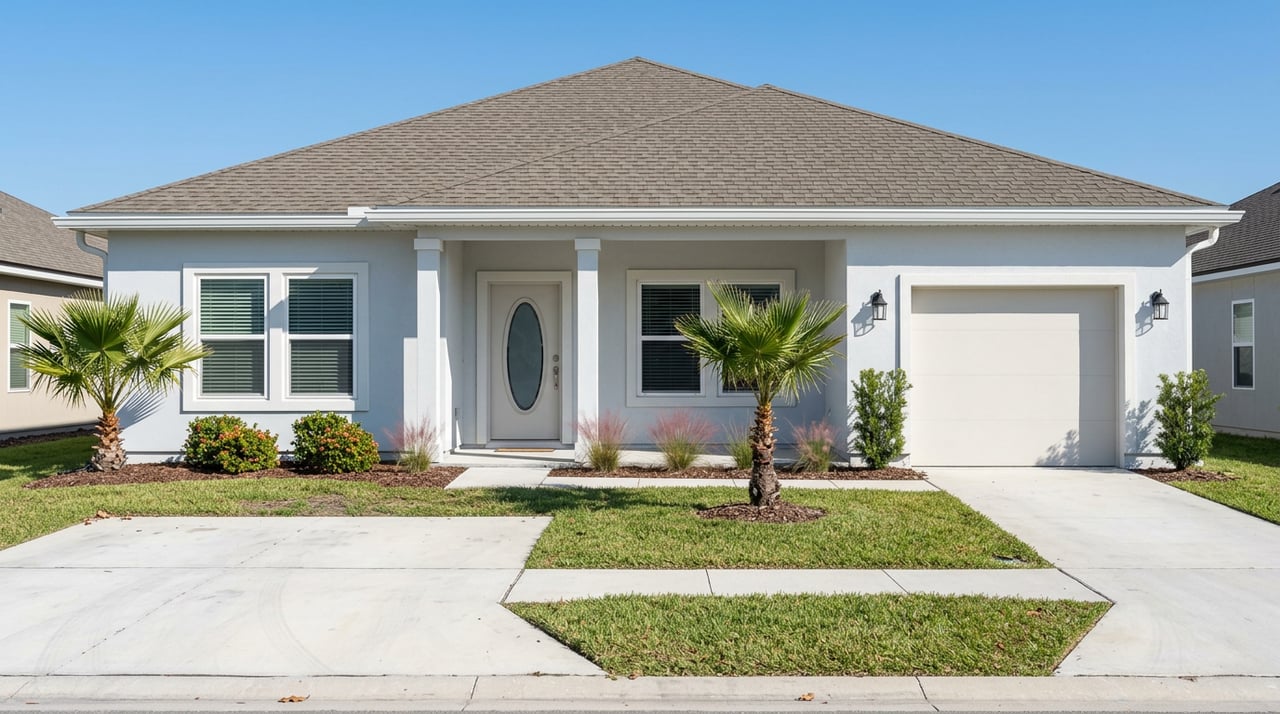
These traditional subdivisions typically offer a selection of one- and two-story plans and planned amenities like trails or small parks. Yards are easier to maintain, and the location can offer quick access to shops and services.
Gated golf communities
If private-club amenities are important, Lecanto offers long-standing options. Black Diamond Ranch is known for larger homesites and golf facilities, with membership structures and club governance. You can get a feel for the lifestyle and courses through Black Diamond Ranch’s golf page. Nearby, the broader Citrus Hills area also features club-style amenities and planned neighborhoods. Club communities typically carry higher dues, with membership options and rules that vary by community.
Master-planned with a CDD
Some larger communities use a Community Development District, or CDD, to finance and maintain infrastructure. In Lecanto, the Lecanto Preserve CDD publishes public Q&A and budget materials that explain how districts plan assessments to fund roads, stormwater, landscaping, and recreation. These assessments appear on your property tax bill as non-ad valorem line items. To understand how a CDD works and what to expect, review the Lecanto Preserve CDD Q&A.
Compare builders the smart way
Builder type and track record
You will find two broad builder types:
- Production builders focus on volume, speed, and pre-set design packages. You usually pick from curated options and enjoy predictable timelines and pricing.
- Custom builders deliver more personalization and unique site solutions. Expect longer timelines and more decisions, but you can tailor the home to your needs.
Ask for recent references, visit a completed home if possible, and review the builder’s permit history in Citrus County’s public portal. For custom examples, explore local portfolios like SanderSon Bay Fine Homes to see craftsmanship and plan variety.
Inclusions versus upgrades
Builders market base prices with an “included features” list, then offer upgrades in design selections. Clarify in writing what comes standard. Common inclusions and upgrades to confirm:
- Inclusions: appliance package, HVAC system, basic cabinetry and counters, standard flooring in main areas, basic landscaping and driveway.
- Upgrades: premium countertops, upgraded flooring throughout, extended lanais, pools and screens, lighting packages, and enhanced landscaping.
Request the full specification sheet and attach it to the contract, along with any allowances and a clear change-order policy. Line-by-line comparisons across builders make pricing far easier.
Warranties you can rely on
Many builders follow a “1-2-10” warranty model: one year on workmanship, two years on systems distribution, and ten years on major structural elements. Ask whether the structural coverage is insurance-backed or only the builder’s promise. Large third-party providers, such as 2-10 Home Buyers Warranty, publish sample booklets that outline coverage scope and claims steps. Review a sample from 2-10 Home Buyers Warranty and confirm the exact provider, booklet, and any required claims procedures, including arbitration.
Contract terms to read closely
Key clauses can affect your budget and schedule. Read these items in detail and ask for plain-language explanations:
- Deposit schedule and refundability if the build does not proceed.
- Construction-stage access and inspections, including pre-drywall and final walkthroughs.
- Change-order pricing, allowances, and cutoff dates for selections.
- Warranty start date, transfer rules, and what counts as a punch list versus a warranty repair.
- Lien protections, including conditional lien waivers from major subcontractors at each milestone.
- Closing conditions, certificate of occupancy requirements, and any per-diem charges for delays.
Timelines and permitting
National data show average permit-to-completion times for single-family homes trending around 10 months, with custom and owner-built projects often taking longer. The National Association of Home Builders summarizes 2023 results here: single-family build time continues to trend upward. Use 10 months as a planning baseline, and add 20 to 30 percent buffer for customization, weather, and supply chain issues.
Citrus County uses an electronic permitting portal with posted fee schedules and inspection procedures. Before you budget, confirm current permitting processes and any announced changes with the Citrus County Building Division. Impact fees can change, and the county posts current applications and fees on its Land Development Applications and Fee Schedule page. Your builder or closing agent should verify current impact fees for your plan and lot.
Costs beyond the sale price: HOA and CDD
If your community has an HOA, plan for association dues and rules. For CDD communities, you will see separate, non-ad valorem assessments on your property tax bill. These CDD charges typically include a fixed debt service component to repay community bonds and a variable operations and maintenance component that can change annually. The Lecanto Preserve CDD Q&A provides a clear overview of how districts work and how assessments are structured.
When you compare two new communities, request:
- The current HOA budget and fee schedule, plus any transfer or working-capital fees.
- The CDD budget and current assessment schedule for your lot type.
- A sample closing statement from a recent build in the same phase to see real numbers for prepaids, assessments, and escrows.
For resale purchases in HOA communities, Florida law requires the association to issue an estoppel certificate with assessment and compliance details within 10 business days of a written request. Fees are capped by statute. See the requirements in Florida Statute 720.30851. This document helps you confirm costs and account status before closing.
Lot sizes and floor plans
Most Lecanto new-home marketing features single-family plans roughly 1,200 to 3,000 square feet, with three to four bedrooms common. Narrower-lot subdivisions often offer efficient footprints, while acreage and custom builds can go larger with side-load garages and expanded lanais. The Crossings and similar planned communities show expected lot widths between 40 and 65 feet, with typical 125-foot depths. See concept details on DIX Developments’ project page and lot-size references from press materials.
If a private-club setting is on your list, communities like Black Diamond Ranch skew to larger homesites with private-club amenities. Weigh those benefits against higher dues and membership commitments.
Your comparison checklist
Use this list as you evaluate communities, lots, and builders:
- Full builder contract and attached spec sheet listing all inclusions, options, and allowances.
- Builder warranty booklet and the name of any third-party structural warranty provider; confirm if coverage is insurance-backed and how claims work.
- A staged schedule with milestone inspections and clear change-order pricing.
- Community documents: HOA budget and fee schedule, CDD budget and current assessment tables, and if possible, a sample closing statement from a recent build.
- County due diligence: permit history for the lot, tree and environmental notes, and current impact fees from Citrus County’s portals.
- Site checks: flood-zone status, soil or geotechnical needs, and septic feasibility for acreage parcels.
- References and recent completed homes; check workmanship and responsiveness on warranty items.
Local projects to watch
If you are tracking future supply and location, two names recur in local planning:
- The Crossings: a mixed residential and commercial concept marketed by DIX Developments in the Lecanto corridor. See the overview on the project page and related press coverage summarizing land acquisition and planned lot products.
- Lecanto-area CDD communities: public district pages, like the Lecanto Preserve CDD Q&A, explain how assessments are set and what they cover. These districts can include parks, stormwater systems, landscaping, roads, and amenity maintenance.
Ready to compare your short list?
You have options in Lecanto, from acreage customs to low-maintenance subdivisions and private-club living. Focus first on lifestyle fit, then compare builders on specs, warranties, and schedules. Lay out every cost, including HOA dues and any CDD assessments, and confirm permitting and impact fees before you commit. If you would like a local, step-by-step partner to help you weigh communities, plans, and contracts, reach out to Cazi Hockenbury for personal guidance and a curated search.
FAQs
What is a CDD and how does it affect my costs?
- A Community Development District funds and maintains infrastructure, and its non-ad valorem assessments appear on your property tax bill; review the Lecanto Preserve CDD Q&A to understand typical components.
How big are lots in new Lecanto subdivisions?
- Many current plats and materials show 40–65 foot lot widths with about 125-foot depths, which equates to roughly 0.11 to 0.19 acres for common products; see references on The Crossings and related press materials.
How long does it take to build a new home in Citrus County?
- Nationally, recent averages are around 10 months from permit to completion, with custom projects often taking longer; plan extra buffer per NAHB’s summary.
What warranties should I expect on a new home?
- Many builders use a 1-2-10 model: one year on workmanship, two on systems distribution, and ten on major structural items; confirm provider details and coverage via resources like 2-10 Home Buyers Warranty.
What extra costs come with new construction besides the base price?
- Budget for lot premiums, options and upgrades, impact fees, closing costs, HOA dues, and any CDD assessments; verify current county fees with the Citrus County Building Division and fee schedules.
How do I verify HOA fees and status before closing?
- For HOA communities, request budgets and an estoppel certificate; Florida Statute 720.30851 requires associations to provide estoppels within 10 business days of a written request.