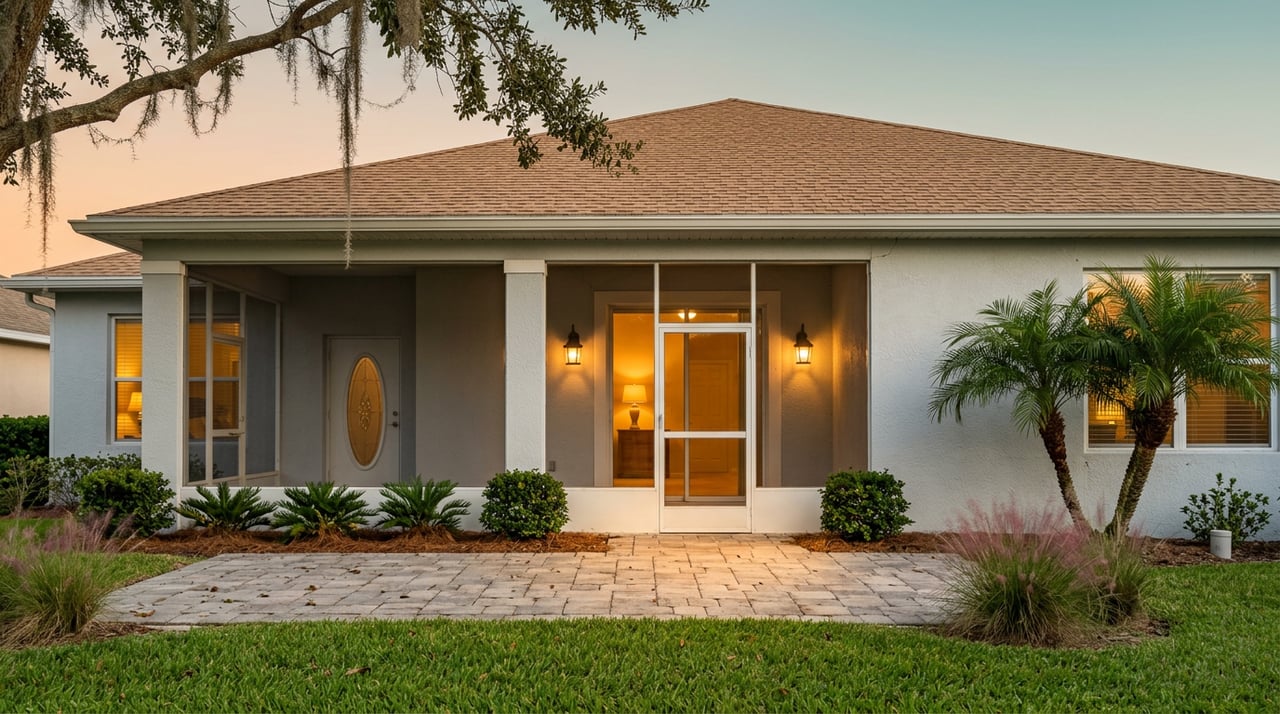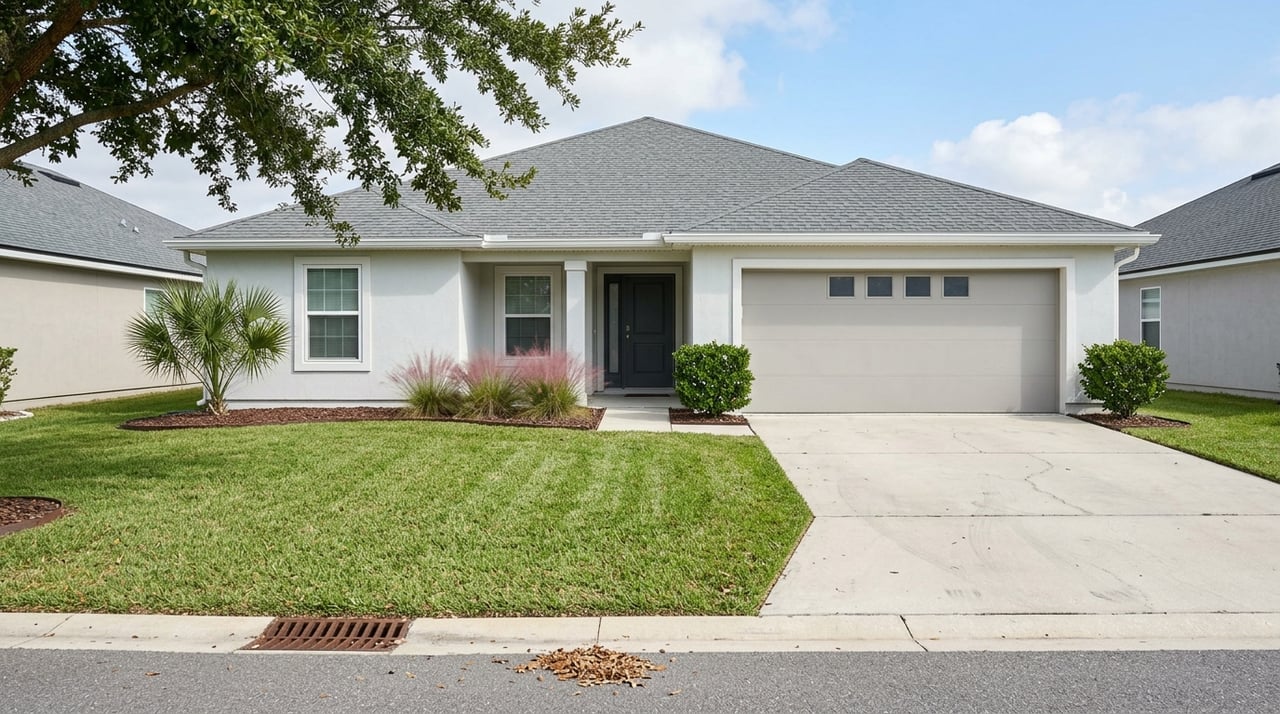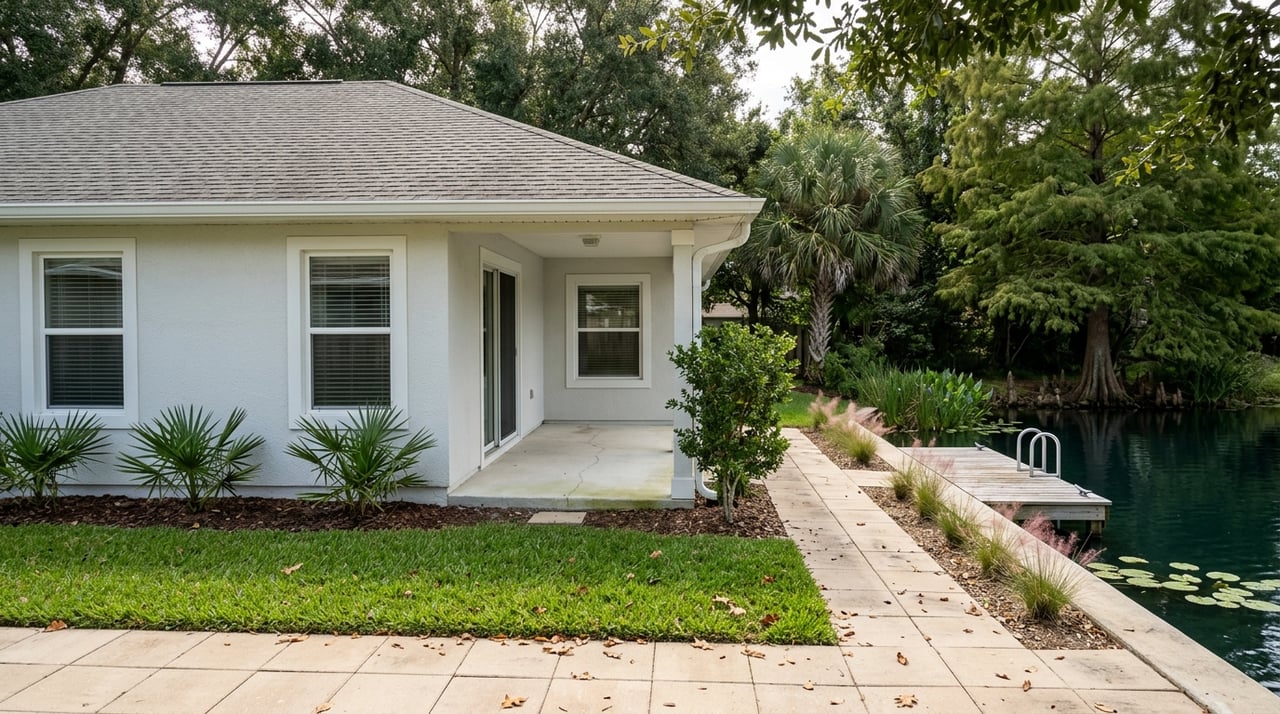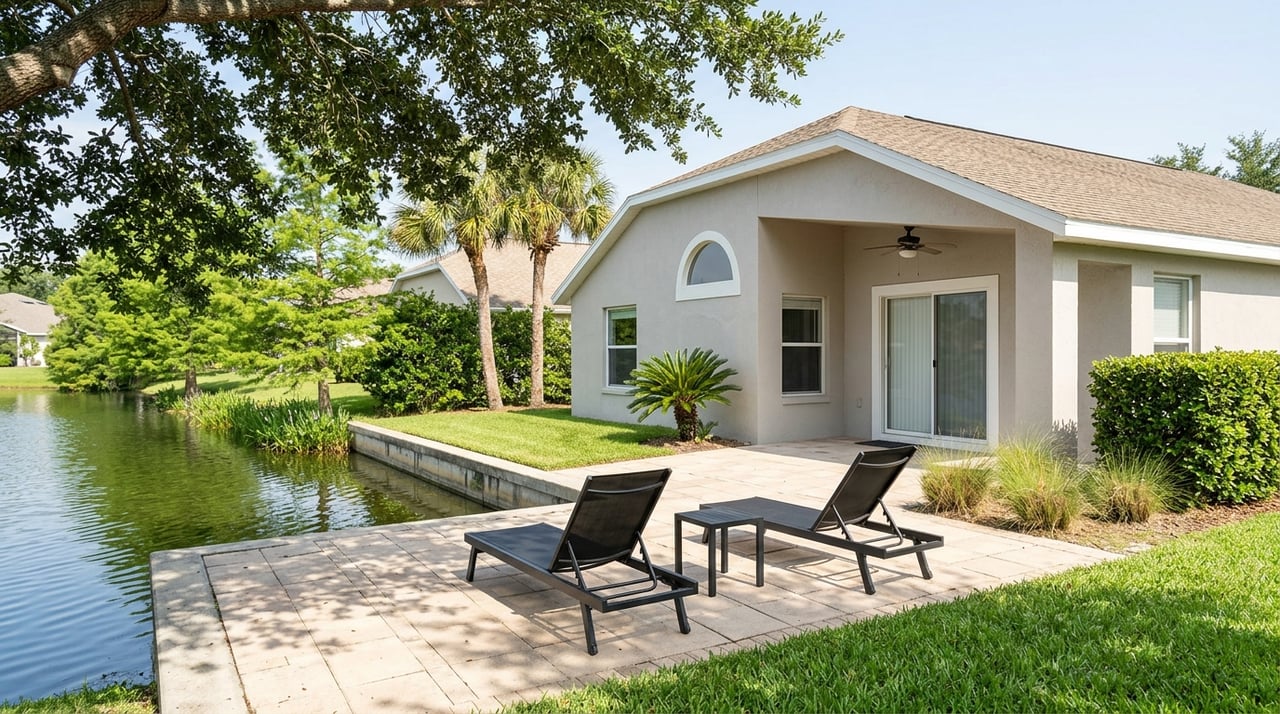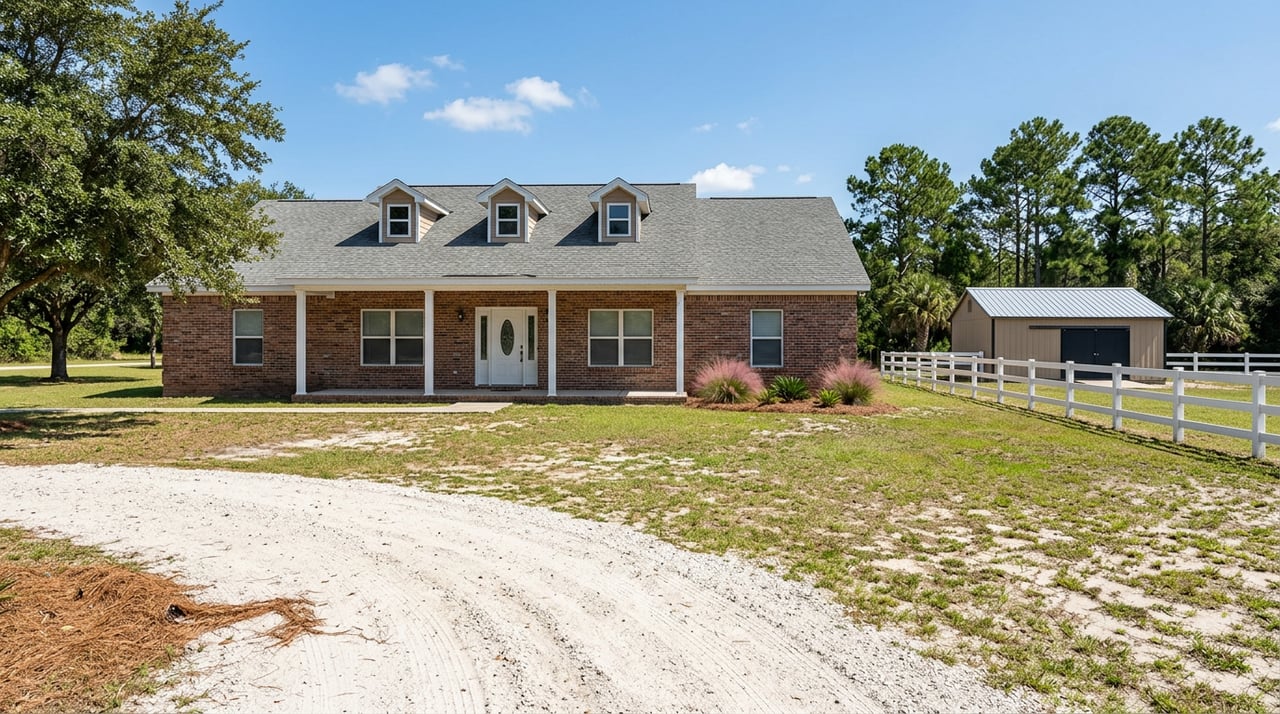
Dreaming of room to breathe, a place for your horses, and nights quiet enough to see the stars? If so, acreage living in Pine Ridge could fit you well. You get space, equestrian amenities, and a relaxed pace without giving up access to daily services and coastal fun. In this guide, you’ll learn how Pine Ridge works for horses and hobby gardens, what to know about utilities and rules, and how far you are from shopping, healthcare, and the Gulf. Let’s dive in.
Why Pine Ridge for acreage
Pine Ridge sits in central Citrus County as a low-density, unincorporated community with a 2020 population of about 11,042. It is known for larger lots, a high share of owner-occupied homes, and a suburban-rural feel. You will find a community identity centered on space, privacy, and outdoor life. For context on the area, see the Pine Ridge entry in the U.S. Census and local references to the CDP’s character on Wikipedia.
The standout feature is its equestrian orientation. Pine Ridge Estates was developed with horses in mind, with one-acre and larger homesites and an organized equestrian complex. The community association highlights a multi-stall barn, arenas, and more than 28 miles of marked riding trails, plus everyday amenities like tennis and pickleball courts, a playground, community center, dog park, and RC flying field. You can review the full list of facilities through the association’s amenities page.
Lot sizes across the neighborhood commonly range from 1 to 3 acres, with listings that also include 2 to 6-plus acre options. Many buyers choose Pine Ridge because the zoning and HOA structure can allow outbuildings, workshops, RV or boat storage, and equestrian facilities that typical subdivisions restrict. Always confirm what is allowed on a specific parcel, since permitted uses depend on county zoning and recorded covenants. Marketed parcels often note the one-acre-plus pattern in the equestrian section, as seen on sites that compile listings such as this example.
Horses at home: what to expect
If you want horses on your property, Pine Ridge makes that lifestyle practical. The community’s equestrian complex includes a block barn with stalls, wash racks, tack and feed areas, a regulation-size arena, and a cross-country course, all tied into an extensive trail network. These shared resources support owners who keep horses at home and those who prefer to board locally. You can verify features and trail mileage through the association’s equestrian amenities.
You will see many parcels advertised as horse-friendly, especially in the equestrian sections. Still, you should verify that the lot you are considering is inside the correct section and that your plans fit the HOA and county rules. Ask for the latest covenants, any equestrian-specific regulations, and guidance on trailer storage or barn setbacks before you commit. Clear expectations now make for smoother ownership later.
Daily care and manure management
Owning horses on small acreage takes thoughtful planning. A single horse can produce around 50 pounds of manure per day, which means you need a plan for storage, composting, and removal. In Florida, best practices also protect local springs and groundwater, so buffers from surface water and rotational grazing are smart additions. The University of Florida’s extension experts outline practical manure and pasture tips for small-acreage owners in this guide to protecting water quality.
When you tour a property, look at fencing type and condition, how many paddocks you can create, and where hay and tack can be stored. If the lot is close to the trail system or the community barn, that can make daily routines easier. Budget for footing or surfacing in high-traffic areas, and plan for a contractor or equipment if you expect to compost.
Gardening and small-scale growing
If you love fresh greens and herbs, Pine Ridge’s climate lets you garden most of the year. Central Florida’s sandy soils benefit from added organic matter, mulching, and seasonally smart planting. You will want irrigation access, full-sun placement for most vegetables, and wildlife-friendly fencing or netting. The University of Florida’s regional home gardening guide is a great reference for calendars, soil improvement, and raised beds. See UF/IFAS guidance on Florida vegetable gardening.
Some owners add an irrigation well or tie into public water when available. If you plan to irrigate, check Citrus County watering rules and confirm water access for your specific address during due diligence. The right setup reduces maintenance and keeps your garden healthy through dry spells.
Utilities and site work
Many Pine Ridge homes and parcels advertise public water availability with septic systems for wastewater. Sewer service is not uniformly present, so you should verify actual connections, impact fees, and whether your property will need a new or upgraded onsite septic system. Listing notes often reflect this pattern of water access and septic wastewater solutions, as seen on examples like this Beverly Hills address.
For long-term planning, it helps to call the county to confirm utility providers, hookup costs, and any planned infrastructure that could affect your parcel. Citrus County’s official pages can direct you to Land Development, Utilities, and permitting contacts to check zoning, setbacks, and service areas. Start with the county portal for departments and services.
Electric service and broadband options vary by location. During your inspection period, contact the utility providers and ask the seller or HOA for current account details. Getting these answers early helps you plan budgets for new service drops, panel upgrades, or trenching.
Privacy, space, and daily rhythm
Acreage living in Pine Ridge usually means more elbow room, mature trees, and fewer streetlights than typical suburban neighborhoods. Many lots are one acre or more, and some are significantly larger, which naturally creates a quieter feel and more privacy. Exact conditions depend on your neighboring improvements, topography, and tree cover.
If dark skies matter to you, visit in the evening before you decide. Stand outside, listen for road noise, and check sightlines from porches and future paddock areas. Aerials and on-site walks help you understand the shape of the land, and marketed parcels can give you a sense of typical lot patterns as shown in examples like this.
Location: shopping, healthcare, and the coast
Pine Ridge sits in a central spot for Citrus County errands. Depending on where you live inside the neighborhood, you can reach groceries, hardware, and services within a short drive along the Lecanto, Black Diamond, and Crystal River corridors. Confirm by address which plazas are closest to your home.
For healthcare, the nearest emergency resource is the TGH Crystal River Emergency Center in the TGH North network. If you prioritize fast access to emergency care, note its location as you plan your search. Read more about the facility on the TGH North about page.
Coastal recreation is a major lifestyle perk. In minutes, you can be in Crystal River or Homosassa for manatee viewing, kayaking on Kings Bay, scalloping in season, or a sunset at Fort Island Trail Beach. For trip planning and seasonal details, check the county’s tourism FAQs on Discover Crystal River.
Costs, taxes, and agricultural classification
If you plan to operate a bona fide commercial agricultural use, such as a commercial horse operation, you may explore the county’s agricultural classification that can reduce assessed value. Small-scale hobby keeping of a few horses does not automatically qualify. The Citrus County Property Appraiser explains how agricultural uses are evaluated and what documentation is required. Review guidance and contact the office directly through the Property Appraiser’s official site.
For residential buyers, also budget for equestrian setup or upgrades, manure management solutions, fencing, irrigation, and any utility hookups. A clear due diligence plan keeps surprises to a minimum.
Buyer checklist for Pine Ridge acreage
Use this quick list to focus your search and inspection period:
HOA and deed documents
- Request recorded covenants, current HOA rules and fees, and recent meeting minutes if available. Confirm whether the lot sits in the equestrian section and what that means for barns, boarding, and trail access. Review the association’s scope of facilities at the Pine Ridge amenities page.
Zoning and permitted uses
- Confirm the county zoning for your parcel and allowed accessory structures. Ask about setbacks for barns, sheds, and workshops. Start with Citrus County’s departments directory at citrusbocc.com.
Utilities and septic
- Verify public water availability and costs, electric provider, broadband options, and whether sewer is available or if you will rely on septic. If septic, check system age, permits, and inspection requirements. Listing notes often reflect water access with septic, as in this Bev Hills example.
Environmental and flood status
- Order a FEMA flood-zone determination and review county floodplain maps. If the property is near wetlands or springsheds, plan buffers and runoff controls, especially for equestrian uses. The county portal at citrusbocc.com can route you to floodplain management.
Equine planning
- Inspect fencing, gates, and cross-fencing potential. Map paddock rotation, hay storage, and wash areas. Build a manure management plan using UF extension guidance for small-acreage owners. Start with UF’s overview of equine extension resources at UF Veterinary Extension.
Gardening setup
- Get a soil test, plan irrigation access, and map sun and shade before you build beds. Check any HOA guidance for front-yard gardens and fencing. Use the UF/IFAS Florida vegetable guide for planting calendars and raised-bed tips at this publication.
Is Pine Ridge right for you?
If your wish list includes space for horses, room for a workshop, and access to coastal adventures, Pine Ridge deserves a close look. You get a neighborhood designed for equestrian life, year-round gardening potential, and convenient drives to shopping, healthcare, and the Gulf. The key is parcel-level due diligence so your plans match the lot’s zoning, utilities, and HOA rules.
If you want a local guide who knows the acreage and equestrian options across Citrus County, reach out to Cazi Hockenbury. You will get attentive representation, a curated MLS search, and clear, practical advice to match you with a property that fits how you want to live.
FAQs
Can I keep horses on a Pine Ridge lot?
- Often yes in the equestrian sections and on many one-acre-plus parcels, but you must confirm the lot’s covenants and county zoning. The community equestrian complex and trail system are detailed on the association’s amenities page.
Do Pine Ridge homes have public water and sewer?
- Many parcels have public water available but use septic systems for wastewater. Sewer availability is parcel-specific. Verify connections, impact fees, and septic permits through the seller, utility, and county. See an example of listing notes here.
How private are Pine Ridge lots at night?
- Larger lot sizes, tree cover, and lower street-light density in rural sections can create darker, quieter nights than typical suburbs. Privacy varies by parcel and neighbor improvements. Visit in the evening and review aerials before you decide, and study typical lot patterns shown in market examples.
What garden crops grow well in Pine Ridge’s climate?
- Central Florida supports year-round vegetables with seasonally timed planting. Focus on soil building, irrigation access, and pest protection. Use the UF/IFAS Florida home gardening guide for calendars and techniques at this reference.
How close is emergency care to Pine Ridge?
- The TGH Crystal River Emergency Center is the nearest emergency resource for the area. If quick access is a priority, note its location and routes from your address. Learn more from TGH North’s about page.