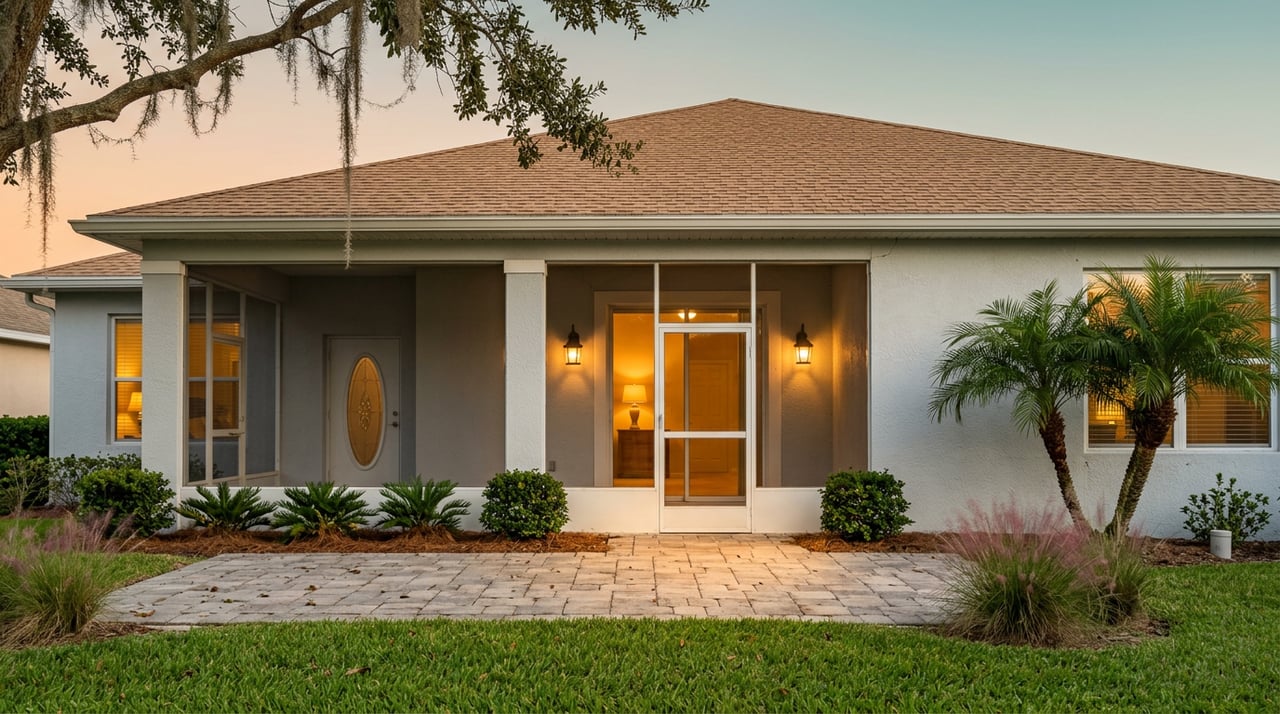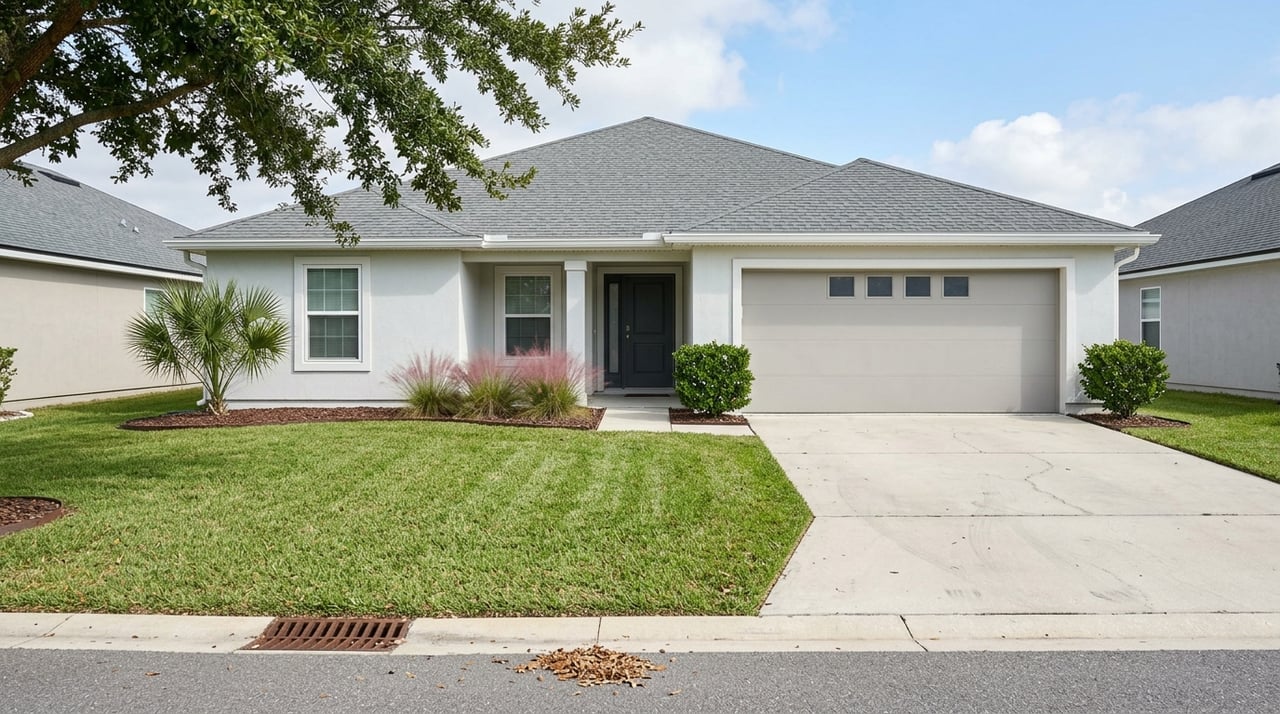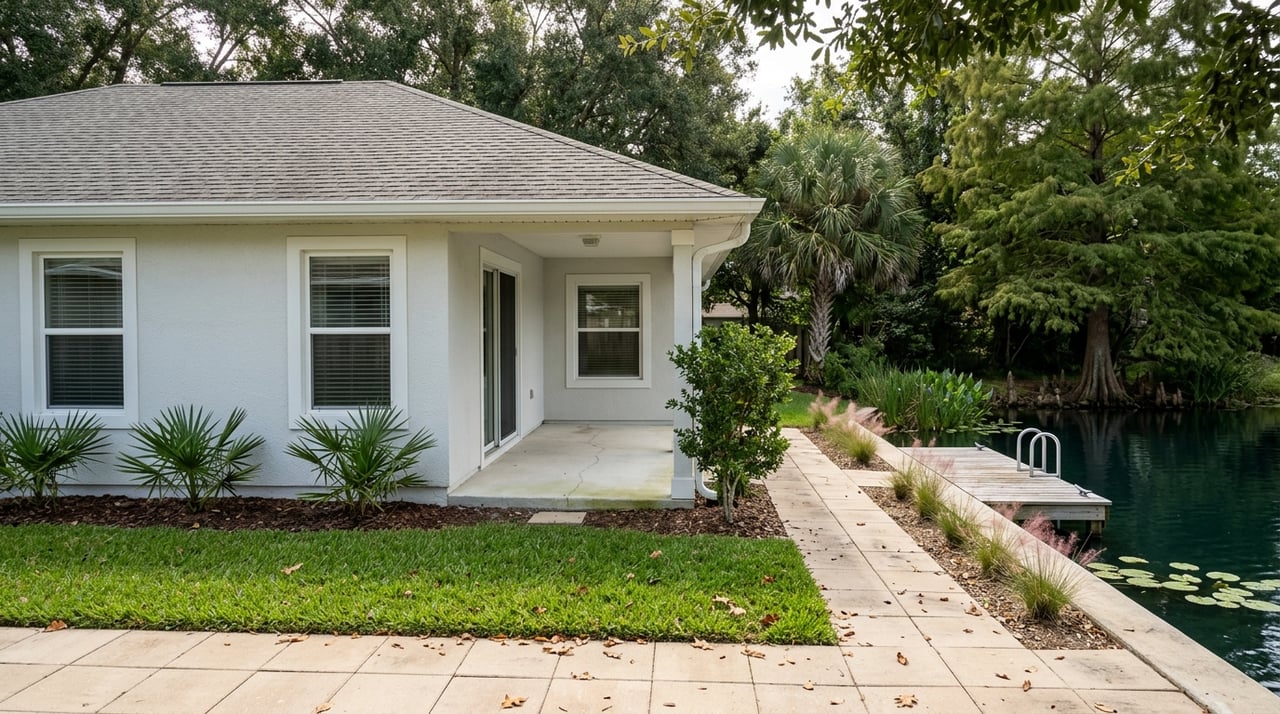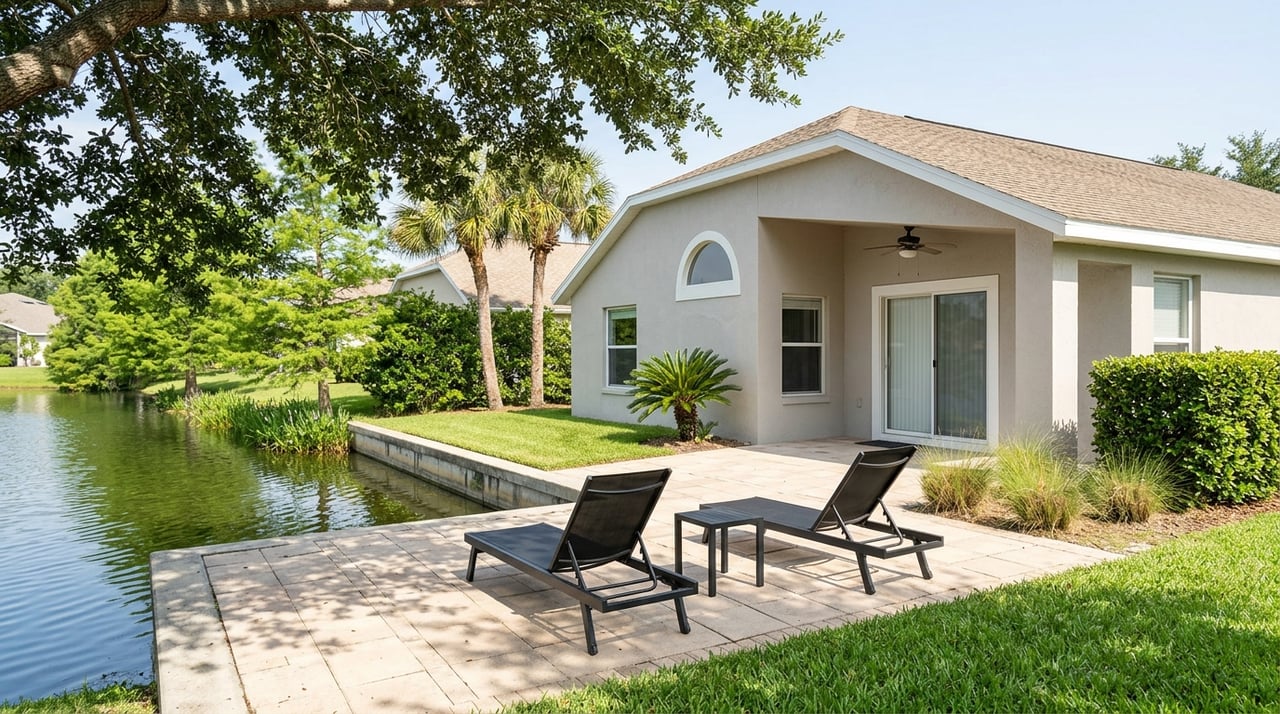
Wondering when to list your Inverness home so you get strong offers without a long wait? Timing matters here. Our market sees clear seasonal swings, especially with winter residents and retirees who boost buyer traffic from late fall through early spring. In this guide, you’ll learn how buyer demand and inventory shift month by month, how to adjust pricing and marketing by season, and what local factors like hurricane season and insurance mean for your timeline. Let’s dive in.
Best months to sell in Inverness
Inverness and wider Citrus County experience a noticeable winter influx of seasonal residents. That usually increases buyer traffic from roughly November through March. The traditional spring window from February through April often overlaps with that influx, concentrating demand and creating a strong pricing environment. Inventory can climb in spring as more sellers list, but motivated buyers are active.
The right timing depends on your property type and goals. If you want the broadest buyer pool, aim for the November to March window. If price maximization is your priority and your home shows well, February to April is often the most competitive stretch. If your buyer is more summer-oriented, you can still win by pricing realistically and leaning into comfort and preparedness.
Month-by-month game plan
January
- Expect winter residents and motivated, often well-qualified buyers. Inventory is moderate.
- Pricing: Stay firm if your home is market-ready.
- Marketing: Highlight easy Florida living, simple maintenance, and recent system service. Schedule photos on sunny days.
February
- Buyer activity stays high as shoppers compare options before peak spring competition.
- Pricing: Aim for competitive pricing that drives quick showings.
- Marketing: Full digital exposure, multiple weekend open houses, and proximity to seasonal amenities and healthcare.
March
- Peak spring demand. More listings arrive, but buyer demand remains strong.
- Pricing: A prime month for price per square foot when the home shows well.
- Marketing: Aggressive push, professional staging, and consider a pre-inspection to prevent delays.
April
- Still strong spring conditions with solid urgency.
- Pricing: Remain firm but track new comparable listings.
- Marketing: Focus on curb appeal and outdoor living spaces.
May
- Transition month as some seasonal residents depart.
- Pricing: Be slightly more flexible on price or terms than in March and April.
- Marketing: Promote energy efficiency and low maintenance. Consider incentives for quicker closings.
June
- Early summer brings family moves, but heat and hurricane season can slow touring.
- Pricing: Moderate, with the potential for longer days on market.
- Marketing: Showcase AC performance, pool care, and resilience features like impact windows. Offer flexible showing times.
July
- Slower showings due to heat and travel plans, though motivated buyers are still present.
- Pricing: Expect more negotiation. Watch market feedback closely.
- Marketing: Use virtual tours for out-of-town buyers and consider credits or rate buydowns.
August
- Hurricane season nears its peak and some buyers pause major decisions.
- Pricing: Conservative and responsive to market feedback.
- Marketing: Emphasize property resilience. Delay non-essential major projects that could be affected by storms.
September
- A quiet month as weather risk lingers and schedules settle.
- Pricing: Be realistic, as opportunistic buyers may expect value.
- Marketing: Be transparent about any storm-related items and repair timelines. Keep inspection windows flexible.
October
- Early signs of the winter season as residents return; quality buyers reappear.
- Pricing: Shift to firmer pricing late in the month to capture incoming demand.
- Marketing: Prep now to hit the November to February window. Highlight low-maintenance living.
November
- Early winter residents arrive and serious buyers want to purchase before year-end.
- Pricing: A favorable environment for well-presented homes.
- Marketing: Tasteful seasonal staging and smart scheduling around holidays.
December
- Fewer shoppers overall, but highly motivated buyers are still active.
- Pricing: Slight flexibility can help. Many successful deals come from buyers who have looked all year.
- Marketing: Keep listings fresh with seasonal photos and target early-year relocations.
Seasonal pricing and marketing
Spring: February to April
- Pricing: List at or slightly below market to attract multiple offers if inventory is moderate.
- Marketing: Heavy digital exposure, twilight photos, staging, and multiple weekend opens.
- Prep: Deep clean, minor updates in kitchen and bath, and refreshed landscaping.
Summer: May to August
- Pricing: Competitive and responsive. Consider incentives where appropriate.
- Marketing: Emphasize climate comfort, indoor living spaces, pools, and virtual tours.
- Prep: Service HVAC and pool, confirm storm shutters or impact windows are in good condition.
Fall: September to November
- Pricing: Late October to November can act like a second spring if you time it well.
- Marketing: Target winter-resident buyers and stress lock-and-leave convenience.
- Prep: Post-summer maintenance, roof and HVAC checks, and pest or termite documentation if available.
Winter: December to January
- Pricing: Be firm for well-presented homes. Buyers are serious and often well qualified.
- Marketing: Showcase winter appeal and community amenities. Keep showings flexible.
- Prep: Quick cosmetic updates, declutter, and present simple, low-maintenance living.
Local factors that affect timing
- Hurricane season: June 1 to November 30, with a peak in August through October. Storm risk can affect inspections, repair schedules, and insurance binding. Build extra time into escrows and plan showings around weather advisories.
- Insurance: Costs and underwriting shifts can slow approvals. Gather your most recent insurance documents and any wind mitigation or replacement-cost information to help buyers and reduce surprises.
- Common condition items: Termites, septic systems, older roofs, and HVAC age are common concerns. Proactive inspections or documentation can remove friction during negotiations.
- Waterfront and lake-access: Expect additional considerations like flood coverage or permitting. Disclose clearly and provide any related documentation.
- Taxes and homestead: Property tax cycles and homestead rules can impact net proceeds and timing. Confirm details early in the process with local resources.
Prep timeline and high-ROI fixes
- 6 to 8 weeks out: Request a CMA, set a price range, schedule a pre-listing inspection, line up repairs, and finalize a staging plan.
- 3 to 4 weeks out: Complete repairs, deep clean, schedule professional photos for a clear day, and build marketing assets.
- 1 to 2 weeks out: Finalize pricing, prepare disclosures, and set your showing and open house schedule.
High-ROI updates for Citrus County homes include fresh neutral paint, decluttering and staging, landscaping for curb appeal, HVAC service, a roof inspection with minor fixes, and termite or wind mitigation documentation if available.
When to list your home
- If your likely buyer is a seasonal resident or retiree, the November to March window gives you access to a larger pool of qualified shoppers.
- If your home appeals to summer movers, you can still sell well by pricing competitively, emphasizing comfort features, and offering flexible terms in May through August.
- Waterfront and lifestyle properties attract year-round interest, but leveraging winter visibility can help you maximize attention.
Your timing should reflect your priorities. If you want the highest possible price and your home shows beautifully, aim for late winter into early spring. If speed matters more, align your list date with when your home will face the least competition, and present strong value.
Get your custom timing plan
A tailored timing and valuation consult can help you choose the right month, price point, and marketing strategy for your property type and goals. A strong consult should include:
- A Comparative Market Analysis based on recent Inverness sales and micro-market nuances like waterfront or age-restricted communities.
- A 12-month inventory and days-on-market review to show seasonal patterns.
- A buyer profile and likely financing mix so you can anticipate terms and timelines.
- Net proceeds at multiple price points, with timelines for spring, summer, and fall scenarios.
- A timing recommendation that weighs your priorities along with hurricane season risk and insurance realities.
- A marketing plan tailored to your most probable buyer segment, with staging and photography timelines.
- An insurance and closing readiness checklist, including any HOA, septic, roof, or inspection documentation.
If you’d like a custom plan built around your goals and your property’s strengths, reach out to Cazi Hockenbury for a no-pressure consult.
FAQs
What is the best month to sell in Inverness?
- February through April is often the most competitive stretch, and November through March benefits from seasonal residents. Your specific property and goals should guide the final choice.
How does hurricane season affect my sale timeline?
- Storm risk can delay inspections, repairs, and insurance binding, especially August through October. Plan for flexible timelines and prepare documentation to keep buyers confident.
Should I list during the holidays?
- Yes, if your home is market-ready. Buyer volume is lighter, but shoppers are motivated and often well qualified. Keep showings flexible and staging tasteful.
What if my roof or septic is older?
- Be proactive. Order inspections, make minor repairs, and provide reports and estimates. Transparency helps prevent renegotiation and builds buyer trust.
Do waterfront or lake-access homes follow the same timing?
- They draw interest year-round, but winter months can amplify visibility. Provide clear information on any flood or permitting items to keep deals moving.