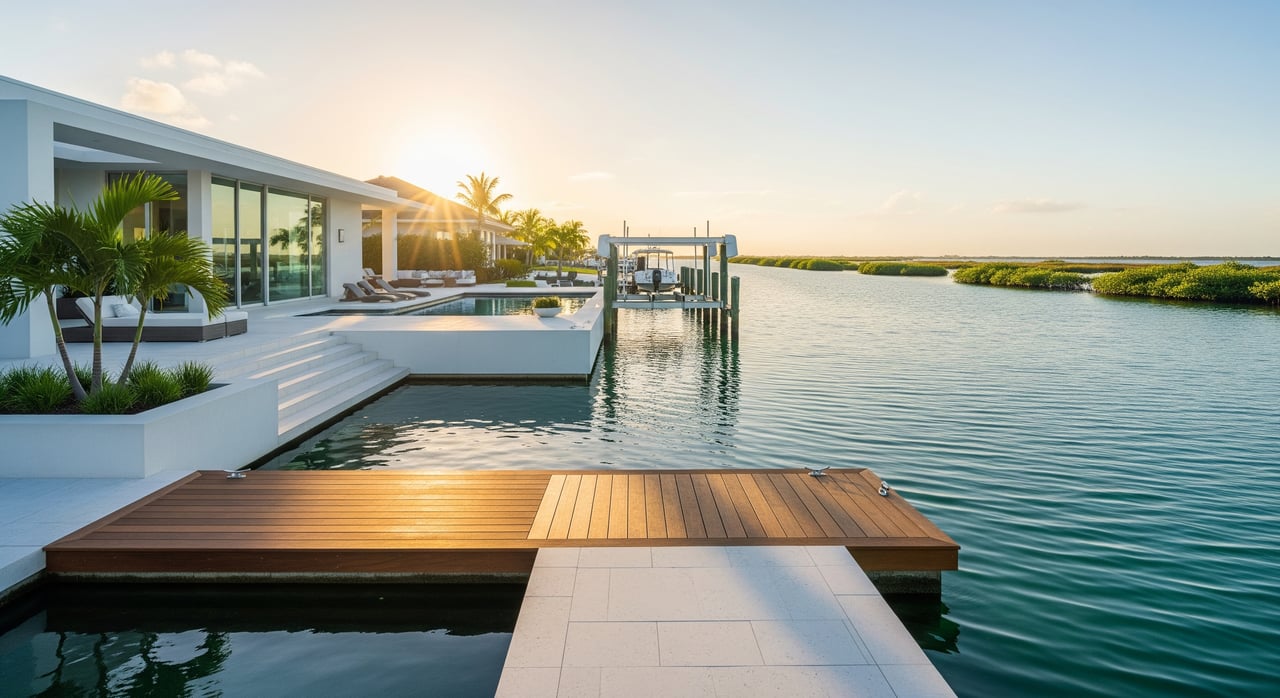
Torn between a calm canal home and a big open-water view in Crystal River? You are not alone. Both options offer amazing Florida living, but the experience on the water, maintenance needs, and long-term costs can be very different. In this guide, you will compare the lifestyle, boating access, insurance, and pricing trade-offs, plus get a clear decision checklist for tours. Let’s dive in.
Crystal River waterfront basics
Crystal River sits on Florida’s Gulf Coast in Citrus County, with Kings Bay, spring-fed waterways, canals, and channels that lead to the Gulf of Mexico. Tides along this stretch of the Gulf are relatively small, usually under a few feet, but water depth and timing still matter for dock clearance and boat access.
For this guide:
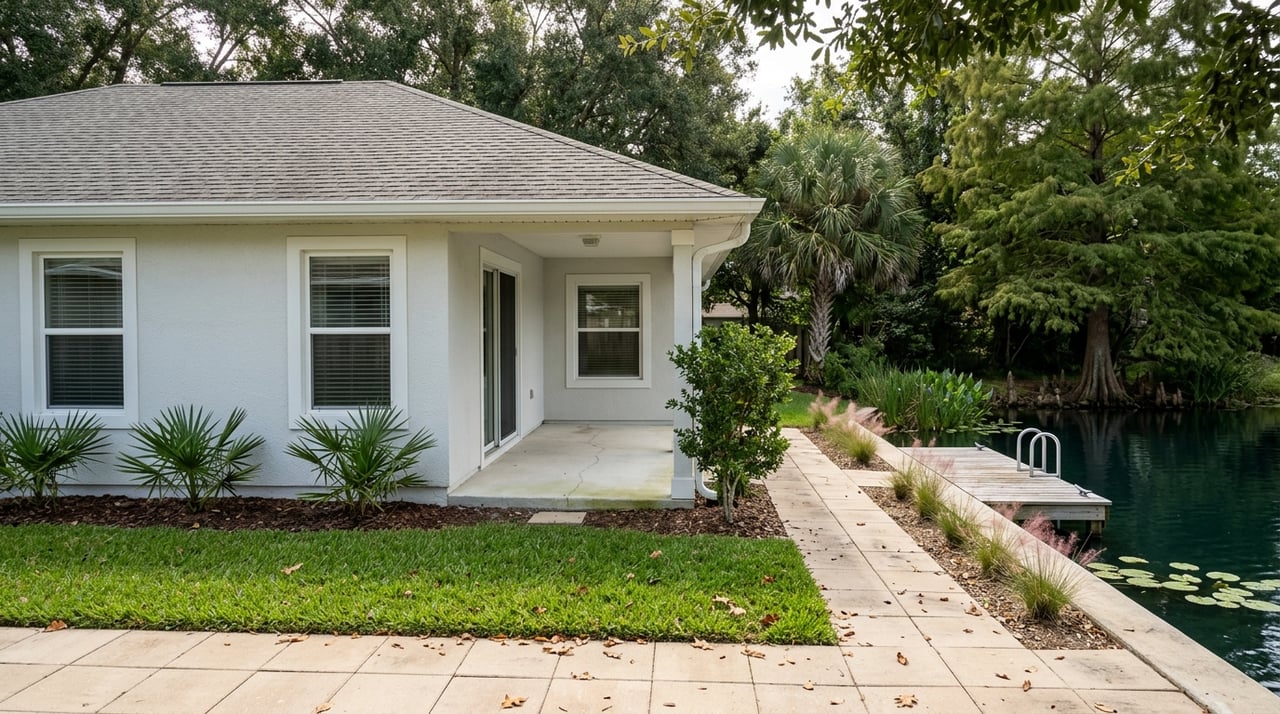
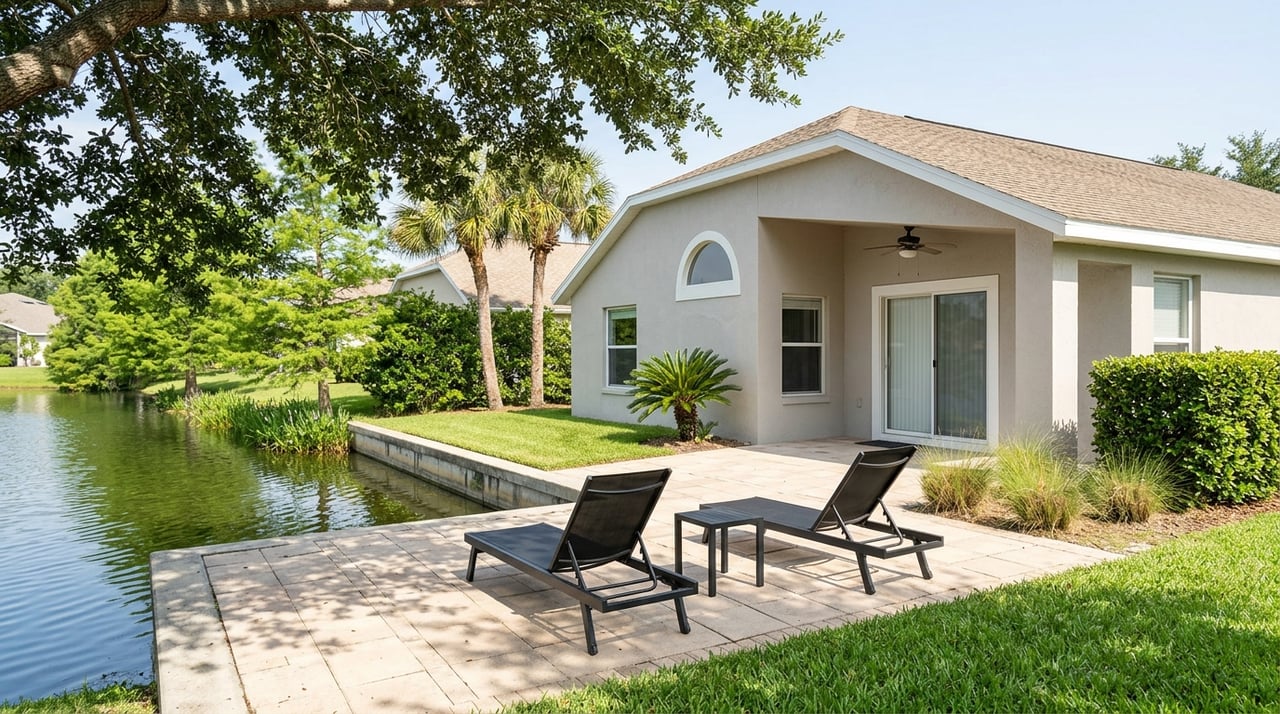
- Canal-front home means a lot on a natural or man-made canal with sheltered water and dock access that usually connects to Kings Bay or the Gulf through channels.
- Open-water home means direct frontage on a large bay, river mouth, or the Gulf with bigger views, more wave action, and often deeper, more direct access.
Boating access and daily life
Gulf access and navigation
- Canal-front: You usually enjoy calm water with reasonable access to Kings Bay and the Gulf, depending on canal depth and channel conditions. Expect to navigate narrower routes and potential shallow spots at low tide, which suits kayaks, flats boats, and small to medium center consoles.
- Open-water: You typically get deeper, faster routes to the Gulf for offshore fishing and cruising. Larger and deeper-draft boats are often easier to keep here.
Local tip: Seasonal slow-speed and no-wake zones apply in parts of Crystal River and Kings Bay, especially in winter when manatees are present. Depths change over time due to shoaling, so ask for recent, verified depth at the dock and along your route.
Wake, comfort, and noise
- Canal-front: More protected from wind and boat wake, which makes docking and swimming easier for families and small craft.
- Open-water: More exposure to wind and passing-vessel wakes can mean more motion at the dock, more noise, and sturdier dock or seawall needs.
Privacy and views
- Canal-front: Calmer views, often with trees and neighboring homes across the canal. Great for paddleboarding and kayaking.
- Open-water: Wide panoramas, sunsets, and a classic coastal feel that many buyers prioritize.
Boat size and practical limits
- Canal-front: Works well for dinghies, flats boats, bay boats, and small center consoles. Fixed bridges, canal width, and low-tide draft can limit boat size.
- Open-water: Better suited to larger center consoles, offshore vessels, and multi-hull boats where depth and dock setup allow.
Maintenance and permitting
Docks, seawalls, and lifts
Waterfront structures need ongoing attention. Expect periodic repairs to pilings, decking, and hardware. Seawalls should be checked for cracking, movement, scouring, and tie-rod corrosion. Boat lifts must be correctly sized, grounded, and maintained.
Key inspection steps:
- Hire a marine contractor or structural inspector to evaluate pilings, fasteners, and seawalls.
- Verify permits for any dock or seawall work. Unpermitted changes can create future risk.
- Check lift capacity, power, and maintenance records.
Environmental protections
Kings Bay and parts of Crystal River serve as manatee habitat, with speed restrictions, sanctuaries, and seasonal rules enforced by state and federal agencies. Seagrass and wetlands are protected, and trimming, removal, or new seawall construction generally requires permits from state and federal agencies, along with county approvals. Dock and seawall permits are handled at the county level and can vary by lot type, wetlands, and mean high water line.
Insurance and flood risk
Open-water exposure usually increases wind and storm-surge risk compared with inner canals. That can lead to higher windstorm and flood insurance costs and a greater need for elevated construction or mitigation features. Many waterfront properties fall within Special Flood Hazard Areas, so ask for FEMA flood maps and an Elevation Certificate, then gather insurance quotes early based on the home’s elevation, age, wind mitigation, and seawall condition.
Pricing and value drivers
Waterfront location and price
All else equal, open-water frontage tends to command a premium over canal-front because of broader views and quicker access to the Gulf. Canal homes generally sell for less than open-water, though they still earn a premium over non-waterfront homes nearby.
Local demand drivers
Crystal River draws anglers, eco-focused buyers, retirees, and seasonal residents. Demand rises with:
- Access to boating and fishing
- Proximity to Kings Bay and spring-fed waters
- Seasonal buyer activity
- Tight inventory for desirable waterfront spots
What most influences price on a specific home
- Measured depth at the dock and route to deep water
- Dock and seawall condition, with permits on file
- Orientation and wind exposure, sunset views
- Flood zone and elevation certificate
- Any easements, riparian rights, or submerged-land leases
- Proximity to speed-restricted areas, which some buyers prefer and others avoid
Decision framework: which fits you
Ask yourself:
- What is your primary boating goal? Offshore trips with a larger boat often favor open water. Kayaks and nearshore fishing can fit well on a canal.
- What are your boat’s exact length, beam, and draft at low tide? Will fixed bridges or canal width be limiting?
- Do you prefer broad views and open exposure, or calmer water and easier docking?
- How much maintenance and permitting complexity are you comfortable handling?
- How sensitive are you to potential differences in insurance and flood costs?
- Do winter manatee protections near Kings Bay feel like a benefit or a boating constraint for your lifestyle?
On-site inspection checklist
Visit homes at different tidal stages and bring a marine-informed perspective. Use this list when touring:
- Check water depth at the dock during low tide, and confirm recent, recorded depths along your route to open channels.
- Inspect pilings, decking, cross-bracing, and fasteners for rot, corrosion, or marine-borer damage.
- Evaluate seawalls for settlement, cracking, and scouring. Bring a qualified seawall inspector if any concern arises.
- Verify boat lift make, model, capacity, power, and maintenance records.
- Request permits and as-built drawings for the dock, seawall, and recent repairs.
- Note nearby no-wake or seasonal closures that could affect your commute by water.
- Confirm dock electrical and lighting, GFCI protection, and visible wiring condition.
Tour plan for Crystal River
Make the most of your time on the water and on site:
- Schedule showings at both low and high tide to see real clearance and water levels.
- If possible, ride from the dock to the nearest open channel to confirm transit time, depth, and any speed zones.
- Arrange a marine contractor or structural inspector to assess waterfront structures during or soon after your visit.
- Contact local authorities for clarity on permitting, manatee protections, and seagrass or wetlands constraints for the specific lot.
Property types and quick pros and cons
Canal-front, small lot with private dock
- Pros: Calm water, often lower cost, easier docking, family-friendly for paddling and swimming.
- Cons: Possible shallow draft at low tide, narrower channels, smaller views.
Canal-front, deep-draft canal with larger dock
- Pros: Sheltered setting with better access if dredged or naturally deep, a strong middle-ground option.
- Cons: Less common, verify legal permits and any dredging history.
Open-bay or direct Gulf-access with bulkhead and lift
- Pros: Fast access to the Gulf, wide views, strong resale appeal to offshore boaters.
- Cons: More exposure to wind and waves, often higher maintenance and insurance.
Riverfront on Crystal River or Kings Bay
- Pros: Spring-fed waters and manatee viewing, strong ecological and lifestyle appeal.
- Cons: Seasonal speed restrictions and special protections that shape boating routines.
Vacant waterfront lot
- Pros: Design your elevated home and dial in dock specifications for your boat.
- Cons: More permitting steps, site-specific constraints like seagrass or wetlands, longer time and higher build costs.
Legal and due diligence essentials
- Confirm riparian rights and who owns the dock, and check for any easements or submerged-land leases.
- Review HOA or recorded rules about docks, lifts, and seawalls if applicable.
- Order an Elevation Certificate, FEMA flood map, marine survey or pier inspection, seawall evaluation, general home and pest inspection, and multiple insurance quotes.
Next steps
Choosing between canal-front and open-water in Crystal River comes down to how you want to use the water, how much exposure and maintenance you are comfortable with, and what you value most in views and access. If you want calm water and easy docking, a canal may be ideal. If you want quick Gulf runs and big vistas, open water may be worth the premium.
If you are ready to compare specific homes, set up tours at different tides, and get clear on insurance and permitting, reach out to start a tailored plan. Work with Cazi Hockenbury to line up listings, on-water route checks, and expert waterfront due diligence.
FAQs
What is the main difference between canal and open-water homes in Crystal River?
- Canal homes offer sheltered water and narrower channels, while open-water homes front a bay, river mouth, or the Gulf with broader views and typically quicker, deeper access.
How do manatee protections affect boating near Kings Bay?
- During winter months, slow-speed and no-wake rules expand in manatee areas, which can lengthen travel time and shape where you operate your boat.
Do open-water homes usually cost more than canal homes?
- Yes, open-water frontage often carries a premium for views and direct access, though exact pricing depends on depth at the dock, structure condition, and flood zone.
Which option is better if I plan to keep a larger boat?
- Open water is typically better for larger or deeper-draft boats, provided dock facilities and local depths support your vessel’s length, beam, and draft.
What inspections should I order for a waterfront home?
- Get a marine contractor or structural inspector for docks and seawalls, verify permits, order an Elevation Certificate and flood map, and gather insurance quotes early.
Will canal homes be quieter and easier for family swimming?
- Often yes. Canal settings tend to have less wake and wind exposure, which can make swimming and boarding easier than in open-water locations.