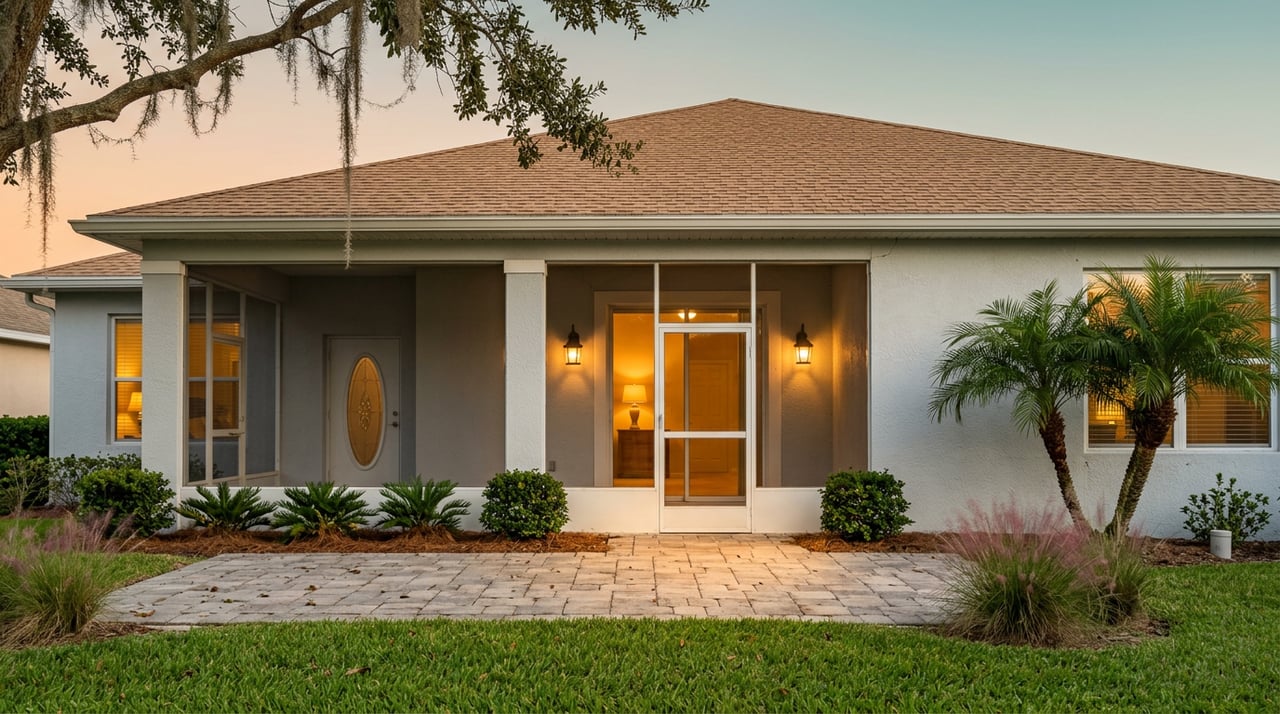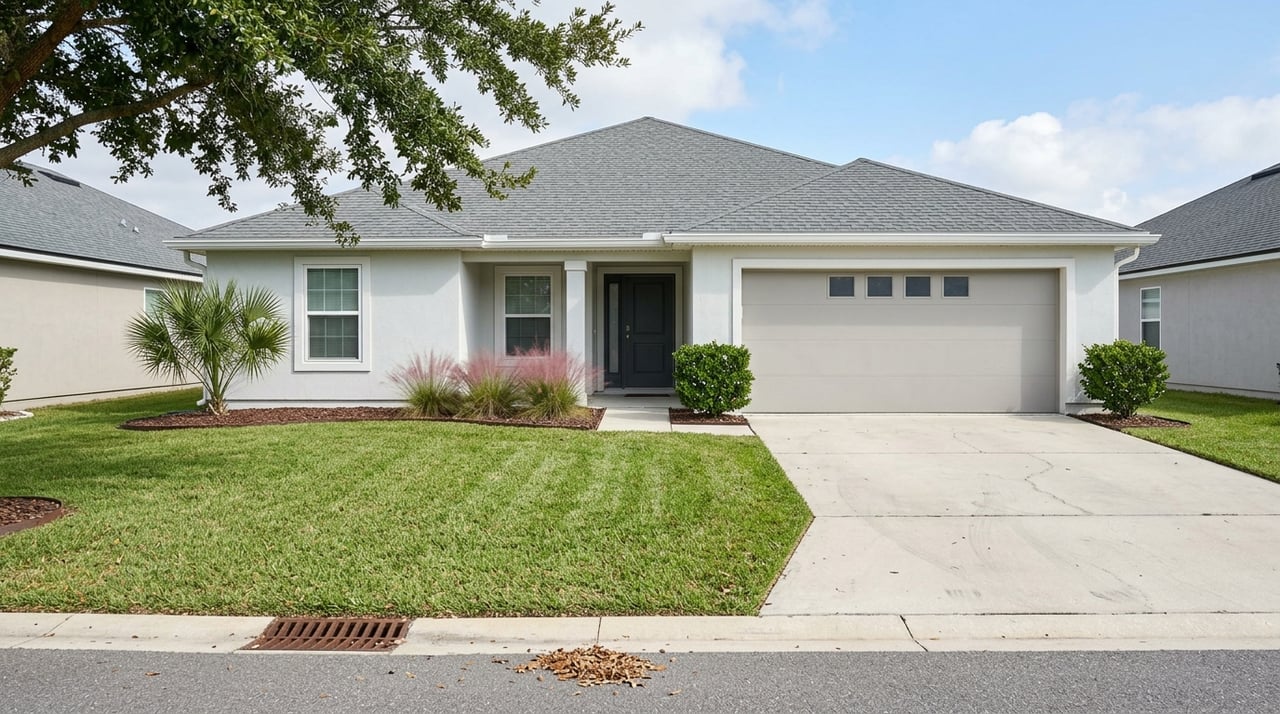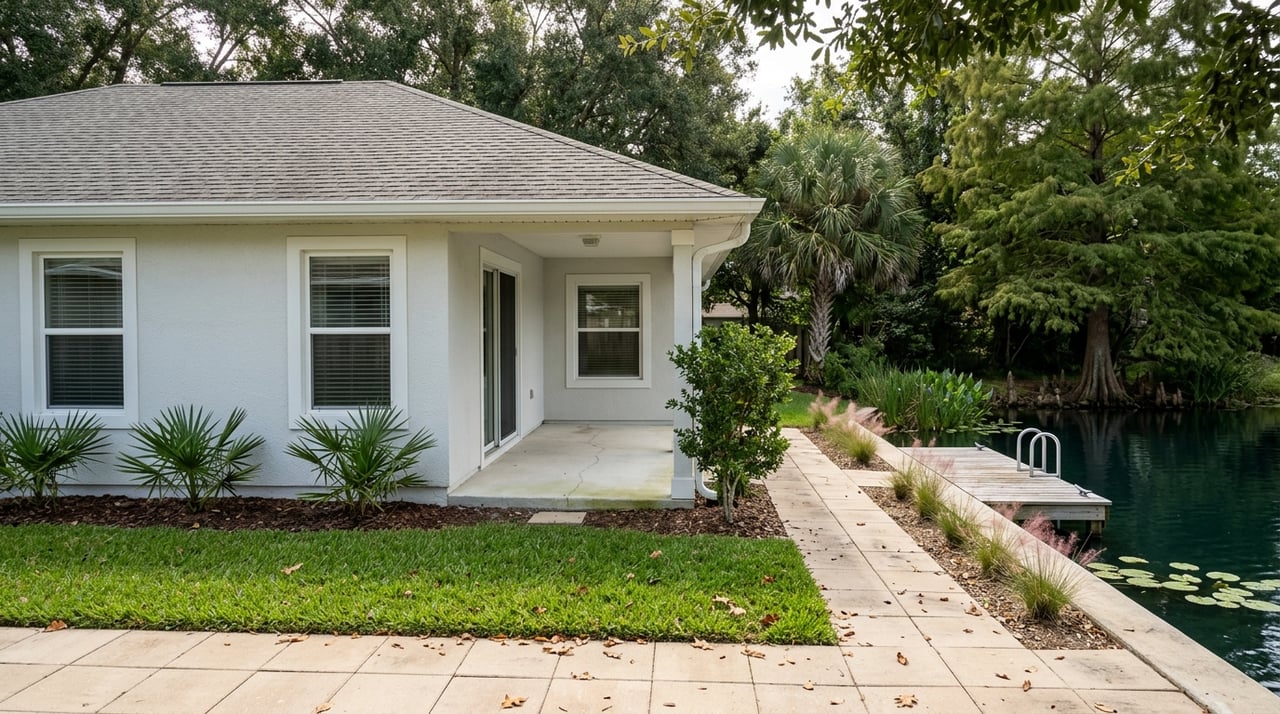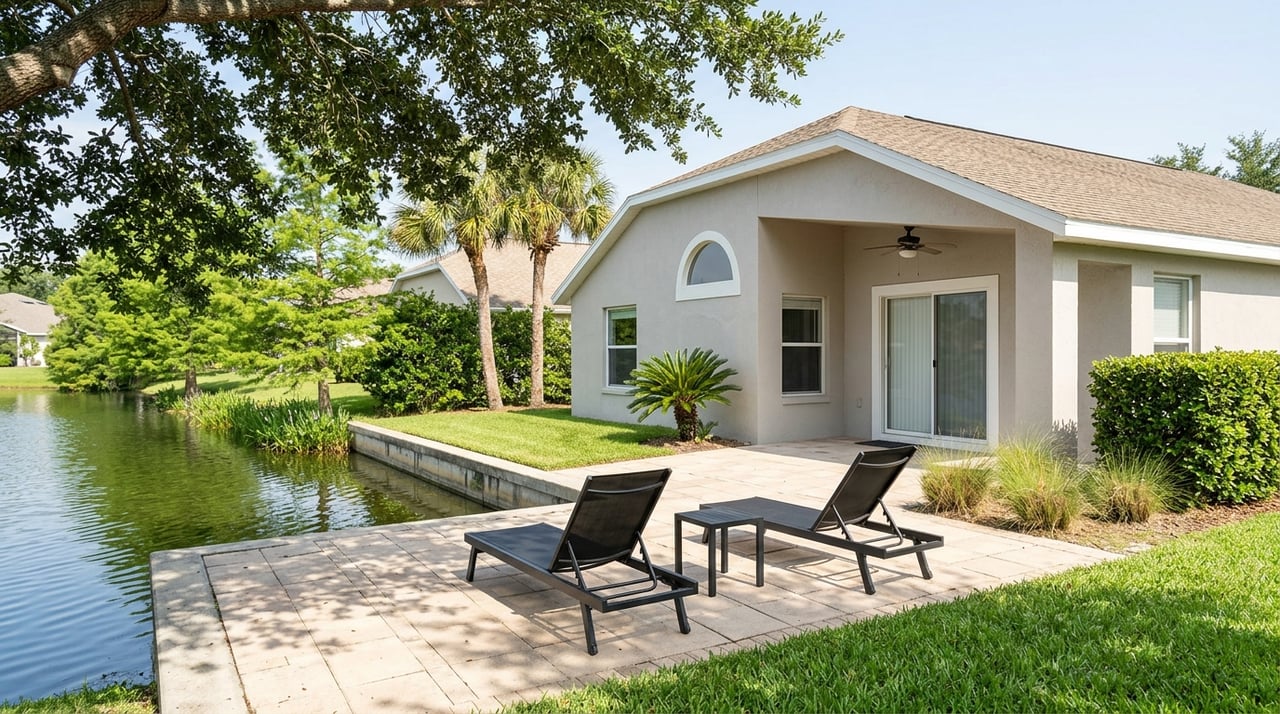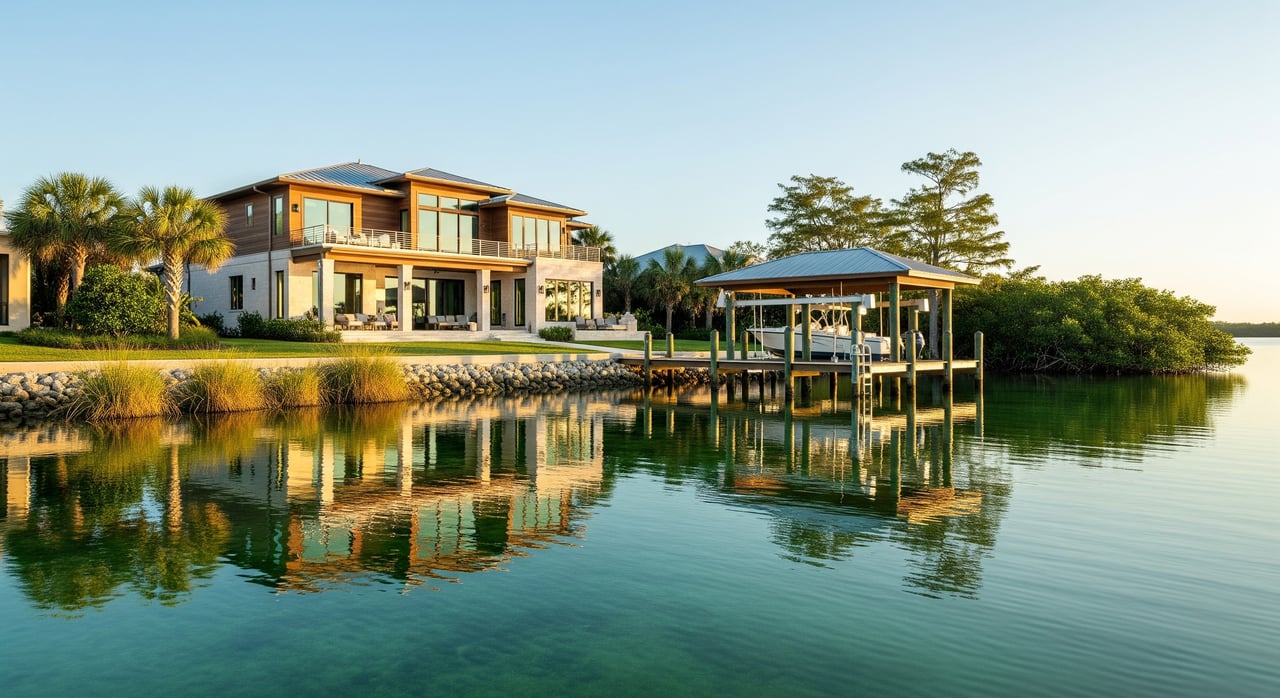
Picture this: morning light over Kings Bay, a quiet canal out back, and your boat ready for a quick cruise. If you are dreaming about waterfront life in Crystal River, choosing the right neighborhood is the key to getting the access, views, and day-to-day ease you want. The good news is you have options. The challenge is understanding how different waters, rules, and property types shape your lifestyle and budget.
In this guide, you will learn how Crystal River’s water types differ, what to look for in docks and depth, how flood and insurance work, and the trade-offs between downtown bayfront, canal-front, and near-Gulf areas. You will also get a practical checklist to compare addresses with confidence. Let’s dive in.
Know your water in Crystal River
Kings Bay is a spring-fed estuary with clear water and abundant wildlife. It connects to the Crystal River channel and then the Gulf. The water is beautiful, but depths vary, tides matter, and manatee protections guide how you boat. Your choice of waterfront will shape what you can do and how often you do it.
- Spring-front: Rare and highly protected. These areas focus on habitat and manatee viewing. Boating and dock changes face strict rules.
- Bayfront on Kings Bay: Open-water views and direct access to the estuary, with short routes to the Gulf. You will navigate marked channels, seasonal shoaling, and no-wake zones.
- Canal-front: Sheltered, calmer water with private docks common. Depth, beam, and turning radius vary by canal, so boat size matters.
- River-channel: Quicker navigation along the main channel with variable depth and clearly marked routes.
- Near-water: A short walk or bike to the bay, parks, and marinas without the maintenance of a dock.
Match neighborhood type to your lifestyle
Downtown/Kings Bay waterfront
If you want to walk to restaurants, parks, and springs viewing areas, downtown bayfront is a strong fit. You get direct Kings Bay access and proximity to ramps and marinas. Expect more activity in winter during manatee season. Homes range from older cottages to renovated properties. You will see a mix of seawalls and docks.
Canal-front residential subdivisions
If you want a quieter setting with protected mooring, canal-front neighborhoods are appealing. You can keep your boat out back and enjoy calmer water days. Depth and turning space vary by canal, so larger boats might face limits. HOA rules, if present, can shape dock size, lifts, and trailer parking.
Gulf and outer-channel access
If your priority is quicker Gulf runs and offshore fishing, look near the mouth of the river or outer channels. You will trade a longer drive to downtown for faster deep-water access. Exposure can be higher, and docks may need deeper pilings. Insurance can be different due to coastal conditions.
Near-water homes, short walk to water
If you want water views or quick access without dock upkeep, look near Kings Bay and local marinas. You will rely on public ramps or rented slips. These areas often mean lower waterfront maintenance and can be closer to schools, groceries, and main roadways.
Boating access: what to verify
Before you fall in love with the view, confirm the boat details. A few checks can save you from costly surprises.
- Dock and seawall: Note type, condition, permit history, and lift capacity. Ask for maintenance records.
- Depth at mean low tide: Measure at the dock, not just in the channel. Confirm the largest practical draft.
- Distance to marked channel: Ask how many minutes to Kings Bay or the river channel on a typical tide and in no-wake conditions.
- Boat size limits: Can you safely turn and navigate your boat in the canal or at the dock? Ask what size vessels neighbors use.
- Navigation info: Review official charts for depth and markers. Use NOAA nautical charts and check local notices for shoaling.
Flood, elevation, and insurance
Flood zone and elevation affect financing, construction requirements, and insurance costs. Two similar-looking homes can carry very different long-term expenses.
- FEMA flood zone: Look up the property on the FEMA Flood Map Service Center. Note the flood zone and Base Flood Elevation.
- Elevation certificate: Ask if one exists and whether the lowest floor is above BFE. This can reduce premiums.
- Insurance: Plan for flood and wind coverage. A local agent can estimate costs based on elevation, construction type, roof, and proximity to open water.
- History: Ask about prior flood claims and how the area performed in recent storm events.
Utilities and septic vs sewer
Waterfront homes can be on septic or connected to central sewer. This matters for maintenance and for future renovations.
- Sewer connection: Confirm availability and any assessments. If the home is on septic, ask for permit records, age, and last service.
- Building and utilities records: Check local permitting for docks, seawalls, and structure updates through the City of Crystal River or county offices.
- Power and drainage: Ask about storm drainage patterns, generator hookups, and typical restoration times after storms.
Wildlife, rules, and shoreline permits
Crystal River is known for manatees and springs. You will follow speed zones, seasonal rules, and special protections.
- Manatee protection: Review speed zones and seasonal closures in and around the springs through the Florida Fish and Wildlife Conservation Commission. Expect no-wake zones and restricted access periods.
- Shoreline work: Docks, seawalls, and shoreline alterations usually require permits at multiple levels. Learn requirements from the Florida Department of Environmental Protection and the U.S. Army Corps of Engineers Jacksonville District.
- Vegetation and buffers: Mangroves and vegetated shorelines can be protected. Setbacks and mitigation may apply.
A quick way to compare two addresses
Use this side-by-side checklist during tours and calls with the listing agent.
- Boating basics: Dock type, lift capacity, depth at mean low tide, turning radius, and minutes to the marked channel.
- Flood and elevation: FEMA zone, presence of an elevation certificate, and prior flood claims.
- Utilities: Sewer vs septic, permit history for septic, and stormwater drainage.
- Structure and shoreline: Roof age, impact windows, foundation type, seawall age and material, and permit history.
- Rules and use: HOA covenants on docks and trailers, short-term rental rules, and any riparian or easement notes.
- Location feel: Walkability to parks and shops, traffic patterns in winter, and proximity to ramps and marinas.
Time to the Gulf and daily convenience
Ask how long it typically takes to reach the open Gulf from the dock at various tides. In some locations you will be in the channel within minutes. In others, you will add no-wake time or navigate shallow sections. If you plan frequent offshore trips, that time adds up. Balance it with your day-to-day needs like access to groceries, medical care, and schools.
If you do not need a private dock every day, a near-water home plus a rented slip at a marina can be a smart alternative. You get the lifestyle without the seawall upkeep.
When to favor each area
- Choose downtown bayfront if you want walkable access to parks, springs viewing areas, and dining plus direct Kings Bay boating.
- Choose canal-front if you want calmer water at the dock and a neighborhood feel. Verify canal depth for your vessel.
- Choose outer-channel if faster Gulf access is your top priority and you are comfortable with more exposure and maintenance.
- Choose near-water if lower insurance and maintenance are important and you are happy using ramps or renting a slip.
Smart next steps
- Map and verify: Confirm parcel lines and ownership through the Citrus County Property Appraiser. Check flood zone on the FEMA Flood Map Service Center.
- Permits and shoreline: Review dock and seawall permit history with the City of Crystal River, the Florida Department of Environmental Protection, and the U.S. Army Corps of Engineers Jacksonville District.
- Navigation: Study NOAA charts for channel routes, tides, and shoaling notes.
- Field check: Visit during winter when tourism picks up to see traffic, no-wake activity, and real dock use.
- Compare insurance: Ask a local insurance professional for sample premiums based on construction type and elevation.
Ready to see which Crystal River waterfront fits your lifestyle? Let’s narrow your options by access, depth, and maintenance so you can enjoy the water with confidence. Reach out to Cazi Hockenbury to start a tailored search and property tours that focus on the details that matter to you.
FAQs
What should I check first when buying a waterfront home in Crystal River?
- Start with flood zone and elevation, dock depth at mean low tide, and minutes to the marked channel, then confirm sewer or septic and permit history.
How do manatee rules affect boating in Kings Bay and the springs?
- Expect seasonal speed limits, no-wake zones, and restricted access near springs; see the FWC manatee protection guidance before you plan routes.
Are canal-front homes good for larger boats in Crystal River?
- It depends on canal depth and turning radius; ask for the largest vessel neighbors navigate, measure depth at low tide, and verify lift capacity and setbacks.
How can I estimate flood insurance for a Crystal River waterfront home?
- Check the FEMA zone and request an elevation certificate; a local insurance agent can quote based on elevation, construction type, and roof details.
Do I need permits to repair a dock or seawall in Crystal River?
- Most shoreline work requires permits, often from the city or county plus state and federal agencies; contact the city, FDEP, and the U.S. Army Corps for requirements.