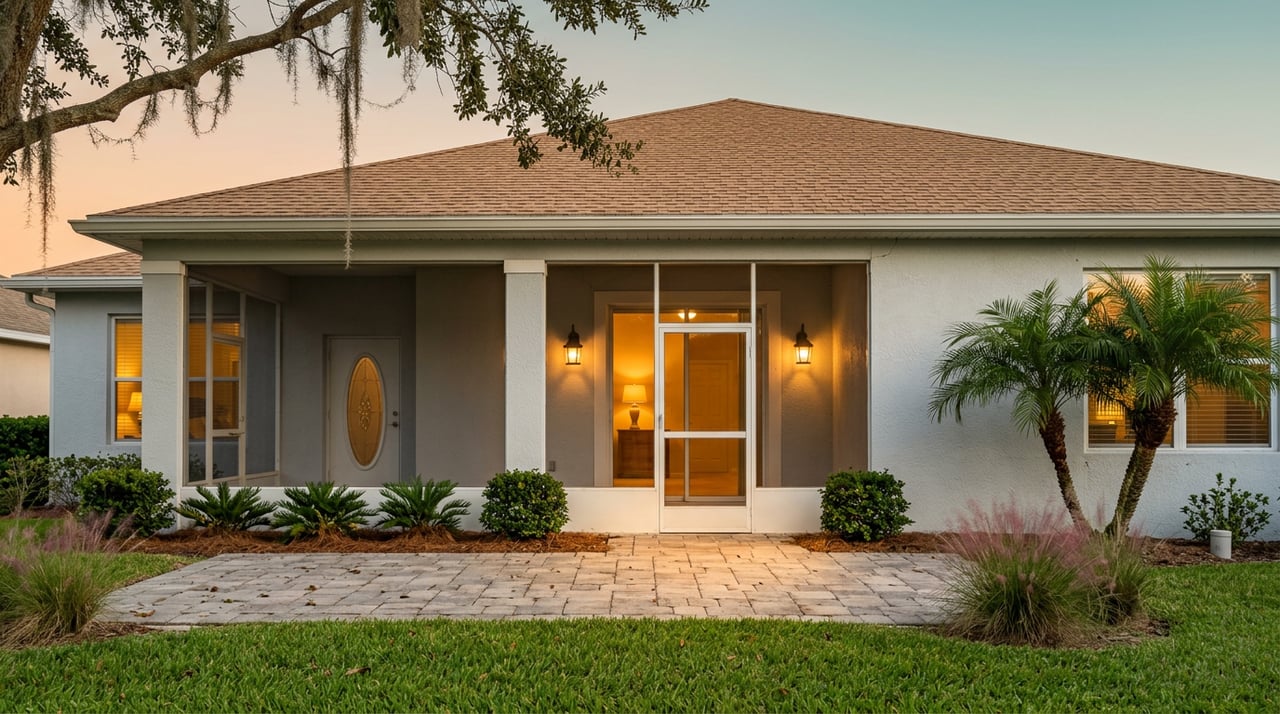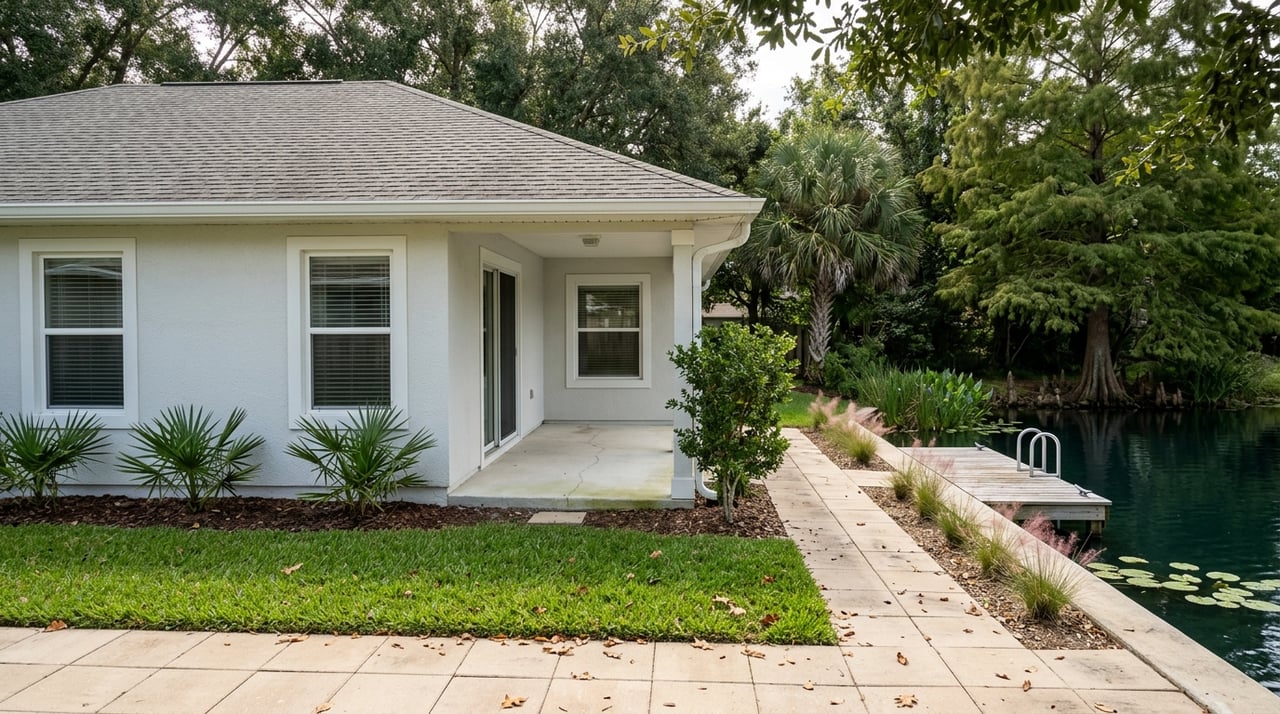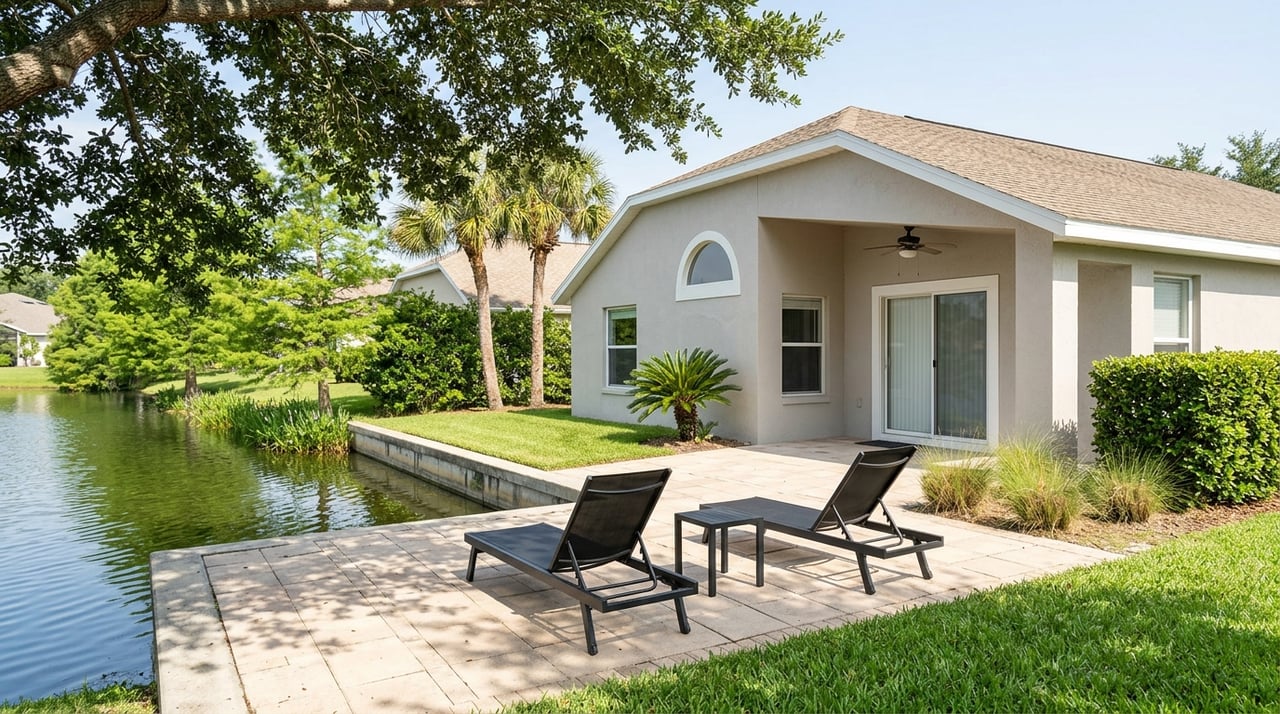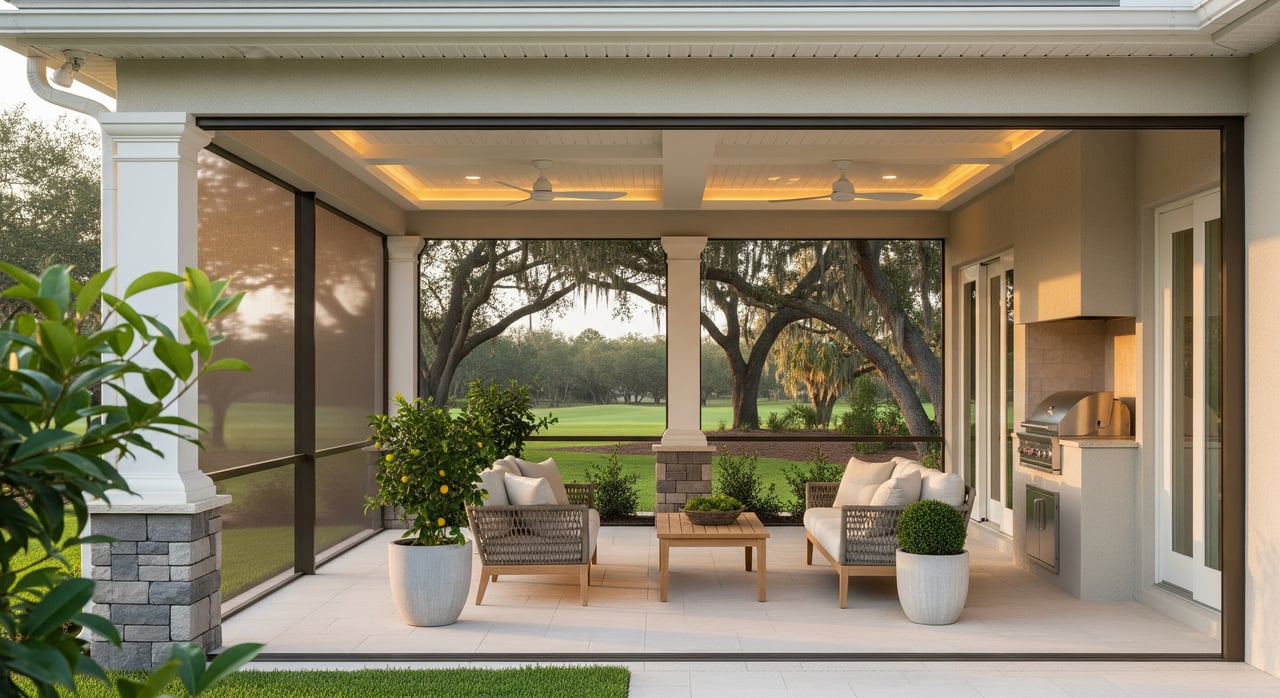
Dreaming of a breezy, bug-free lanai in Citrus Hills but worried about approvals slowing you down? You’re not alone. Between village rules and county permits, it can feel like a maze. This guide shows you exactly how to design a screened lanai that fits Citrus Hills standards and clears Citrus County permitting on the first try. Let’s dive in.
Know who approves your lanai
Citrus Hills POA and village ACB
Citrus Hills is village driven. Each village has its own Architectural Control Board (ACB) rules and submission forms on the Citrus Hills POA page. As examples, Amherst’s detailed criteria outline what submittals should include, colors, and timelines (Amherst ACB Operating Procedures). Griffin View’s form shows the typical process and states reviews can take up to 30 days (Griffin View ACB Request Form).
Citrus County Building Department
Separate from your village approval, most screen enclosures need a county building permit. The county will check structural design, wind loads, attachments, and inspections. Start here: Citrus County permitting portal.
Florida Building Code
Your enclosure must meet the Florida Building Code, including wind-load design and any flood requirements. See the screen enclosure sections in FBC R4403.
Design choices that pass review
Under roof vs new structure
Screening under your existing roofline is often the simplest path. It still requires ACB approval and usually a county permit, but it may avoid the heavier engineering needed for structures that extend beyond the roof. If you extend the footprint, expect engineered plans and potentially additional review per village criteria like Amherst’s (Amherst ACB Operating Procedures).
Frame and screen colors
Most villages want enclosures to complement the home. Dark bronze frames with charcoal or black screening are commonly preferred to reduce visual contrast. Include color swatches and exterior elevations with your application to show compatibility.
Ceilings and insulated panels
Some villages allow ceiling panels inside the screened structure when attached properly and made from approved materials. Provide manufacturer specs or engineered details as required by your village’s criteria.
Setbacks, easements, waterbodies
Your site plan must show the enclosure’s distance to property lines, easements, and any nearby ponds or water. Enclosures cannot sit in setbacks or easements, and special rules may apply near water features. Accuracy here prevents delays.
Materials, foundations, attachment
Aluminum is standard for cages. Vinyl and lattice are often not allowed. If you need new footings or a slab, include foundation details and anchorage that meet code. Large spans and freestanding elements typically require engineered connections.
ACB and permit package
What your village ACB expects
- Completed village ACB request form (use the correct village form from the POA page).
- Site or plot plan showing property lines, the proposed enclosure, setbacks, easements, and nearby water features.
- Elevations and samples: frame and screen colors, and ceiling materials if used.
- Landscape plan if your village requires plantings to soften the view of the enclosure.
Typical ACB processing can take up to 30 days once your packet is complete (Griffin View form example).
What Citrus County typically requires
- County permit application through the permitting portal.
- Construction drawings: manufacturer-engineered drawings or plans sealed by a Florida-licensed professional when required.
- Product specs and connection details that show wind-load compliance.
- Notice of Commencement when the job value meets the threshold.
Simple timeline
- Week 1: Confirm your village, gather ACB rules and forms, and sketch your design with color choices.
- Weeks 1 to 2: Prepare your ACB packet and your county permit documents in parallel.
- Weeks 2 to 6: Allow up to 30 days for ACB review after a complete submission and additional time for county permit review. Schedule inspections once work begins.
Avoid common denials
- Colors or materials that conflict with village standards. Use approved colors and include swatches per village criteria like Amherst’s guidance.
- Missing setbacks or easements on the site plan. Base your plan on a survey and label distances clearly.
- Extending beyond the roofline without engineered plans. Provide sealed drawings when required and match attachments to code.
- No proof of wind-load compliance or missing permit. The county checks these items.
- Encroaching on setbacks or protected areas. Confirm lot lines and easements upfront.
For more context on typical permit pitfalls seen around Florida, review this industry summary on common permit denials.
Citrus Hills checklist
- Confirm your village and download the correct ACB form from the POA page.
- Decide if you are screening under the existing roof or adding new structure.
- Select compatible frame and screen colors, and gather samples.
- Create a clear site plan with setbacks, easements, and water features labeled.
- Assemble ACB submittals: form, site plan, elevations, samples, and any landscape plan.
- Prepare county permit documents: engineered or manufacturer drawings, product specs, and required forms via the permitting portal.
- Wait for written ACB approval and a county permit before starting work.
Budget basics
Costs vary by size, spans, and engineering. Industry summaries place many Florida screened cages in a broad range of about 10 to 25 dollars per square foot, with complex designs costing more. For context, see this screened lanai cost guide, then get local bids with code-compliant plans.
Local help when you need it
Planning a lanai project as part of a move or a sale in Citrus Hills? Let’s talk through timing and how a screened enclosure could support your goals. For clear, local guidance on buying or selling in Citrus County, reach out to Cazi Hockenbury.
FAQs
Do I need village ACB approval for a lanai in Citrus Hills?
- Yes. Each village requires ACB review and written approval before exterior changes, separate from county permitting. Start with the Citrus Hills POA page.
Do I also need a Citrus County building permit?
- In most cases, yes. Screen enclosures are permitted structures and must be filed through the county permitting portal.
Is screening under my existing roof easier to approve?
- Often. It still needs ACB approval and usually a permit, but extending beyond the roof commonly triggers engineered plans and a deeper review.
What colors typically pass in Citrus Hills?
- Many villages prefer dark bronze frames with charcoal or black screening to blend with the home. Include color swatches with your ACB submittal.
How long does the ACB review take?
- Village documents often allow up to 30 days after a complete submittal, as shown on the Griffin View ACB form.
Can I build near a pond or waterbody in Citrus Hills?
- You may face special setbacks or environmental considerations. Show water features on your site plan and keep the enclosure out of setbacks and easements.